


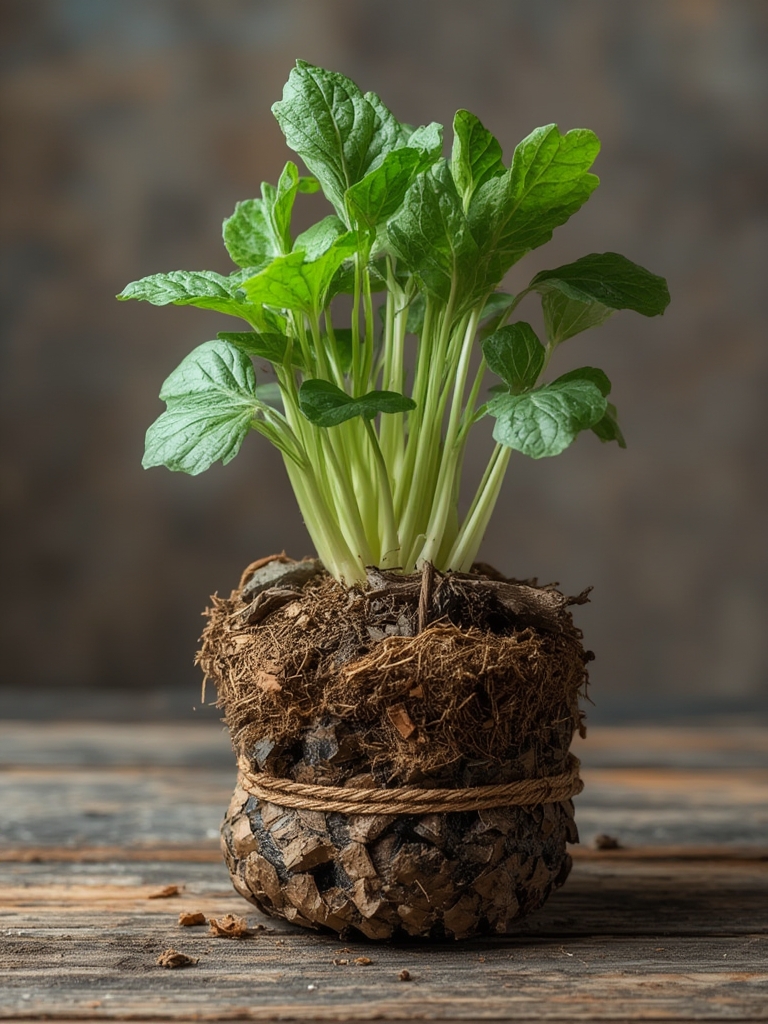
Zero-Cost Garden: 6 Vegetables You Can Easily Regrow from Kitchen Scraps
Did you know that those vegetable scraps you toss into the compost or trash can become a thriving garden—without spending a single cent? Transforming kitchen waste into fresh produce is not only budget-friendly but also incredibly rewarding. Learning to Regrow Vegetables from Scraps is a simple, sustainable way to enjoy homegrown food year-round, reduce waste, and connect with nature right from your kitchen counter. Whether you’re a seasoned gardener or a complete beginner, regrowing vegetables from scraps is an accessible, fun project that delivers fresh greens, herbs, and more with minimal effort.
Materials & Supplies
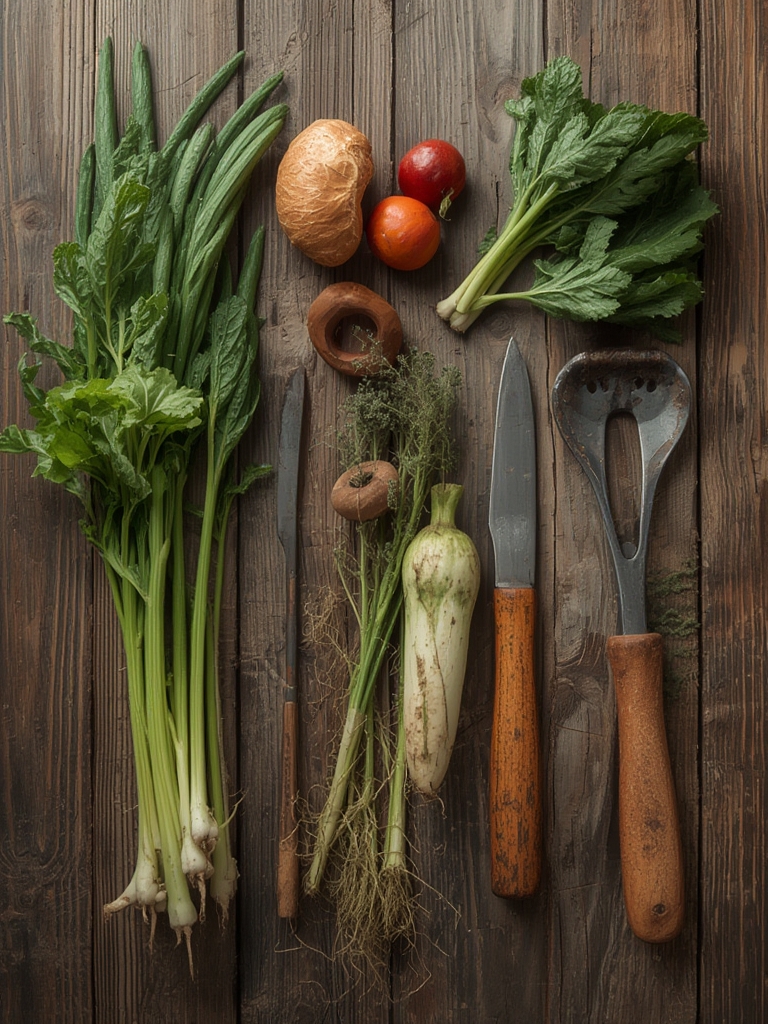
To successfully Regrow Vegetables from Scraps, you’ll need just a handful of basic supplies:
- Vegetable scraps: Save root ends, bases, or stems from green onions, lettuce, celery, garlic, ginger, and potatoes.
- Containers: Shallow dishes, glass jars, or small bowls for water propagation; pots or garden beds for soil planting.
- Water: Fresh, clean tap or filtered water changed every 2–3 days.
- Potting soil: Well-draining, nutrient-rich mix if transferring to soil.
- Sunlight: A sunny windowsill or outdoor spot with 4–6 hours of indirect light daily.
- Optional tools: Small pots (4–6 inches), toothpicks for support, liquid fertilizer for faster growth.
These items are likely already in your home, making this project truly zero-cost.
Timing / Growing Schedule
Most kitchen scraps begin showing new growth within 3–7 days when placed in water. Full maturity varies by vegetable:
- Green onions and herbs: Ready to harvest in 1–2 weeks.
- Lettuce and celery: New leaves appear in 7–10 days; full regrowth takes 2–3 weeks.
- Garlic and ginger: Sprouting begins in 1–2 weeks; mature bulbs take 8–10 months.
- Potatoes: Sprouts emerge in 2 weeks; harvest in 10–12 weeks after planting.
Plan to start regrowing scraps year-round indoors, or time outdoor planting with your local frost-free season.
Step-by-Step Instructions
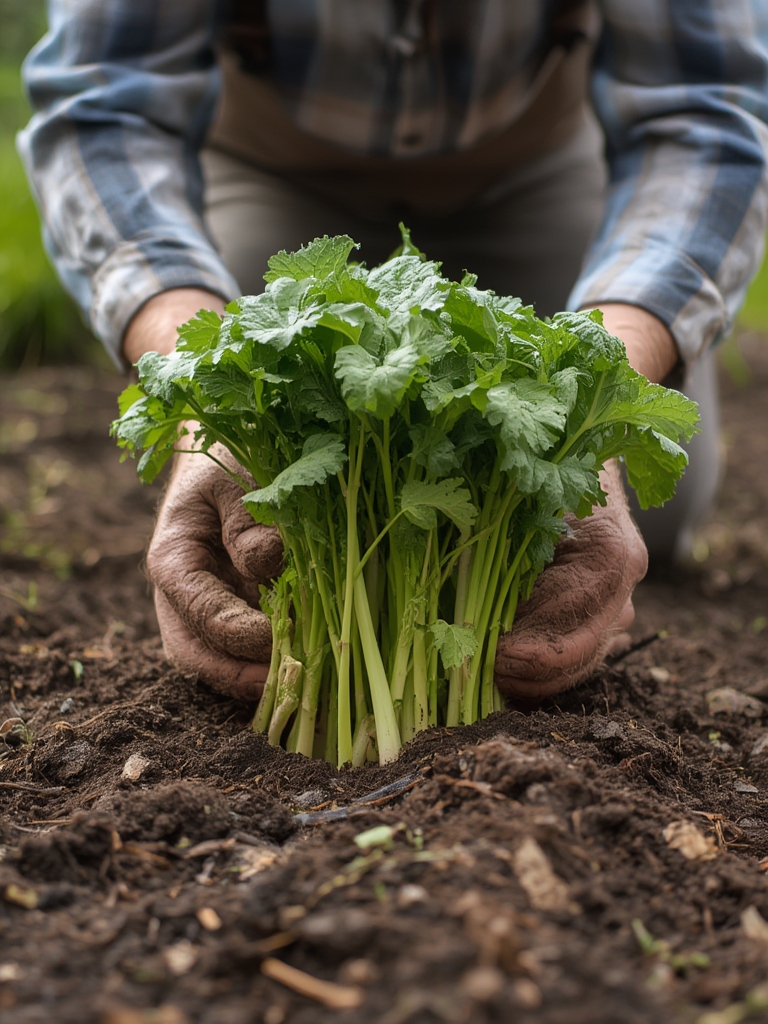
1. Green Onions (Scallions)
Cut the white root end about 1–2 inches from the base. Place in a glass with enough water to cover the roots. Position in sunlight and change water every 2 days. New green shoots appear within days. Once roots strengthen, transfer to soil for indefinite harvests.
2. Lettuce
Save the lettuce base (about 2 inches). Place cut-side up in a shallow dish with ½ inch of water. Keep in bright, indirect light. Regrowing lettuce from base yields fresh leaves in 10–12 days. Transplant to soil for continuous growth.
3. Celery
Use the base (2 inches) and place in a bowl with water covering the bottom. Set in sunlight and refresh water daily. New yellow-green stalks emerge from the center within a week. Move to soil after roots develop for full stalks.
4. Garlic
Separate individual cloves and plant pointed-end up in soil, 2 inches deep. Water lightly and place in sunlight. Green shoots (garlic greens) are ready in 2 weeks; full bulbs mature in months.
5. Ginger
Choose a piece with visible “eyes” (growth buds). Soak overnight, then plant 2 inches deep in moist soil. Keep warm and lightly watered. Shoots appear in weeks; harvest roots after 8–10 months.
6. Potatoes
Cut a potato with at least 2 “eyes” into chunks. Let dry for 24 hours, then plant 4 inches deep in soil. Water regularly. Harvest baby potatoes in 10 weeks or wait 12+ weeks for full-size tubers.
Pro Tip: Embrace zero-waste gardening by composting any unusable scraps to enrich your soil naturally.
Nutritional Benefits / Advantages
Regrowing vegetables from scraps offers multiple benefits:
- Nutrient-rich harvests: Fresh greens like lettuce and green onions are high in vitamins A, C, and K.
- Cost savings: Eliminate repeated grocery purchases.
- Environmental impact: Reduce kitchen waste and carbon footprint.
- Chemical-free: Control what goes into your food—no pesticides or preservatives.
- Educational: Perfect activity for teaching kids about plant biology and sustainability.
Tips, Alternative Methods, or Gardening Advice
- Container gardening: Ideal for apartments; use 6–8 inch pots with drainage holes.
- Indoor vs. outdoor: Most scraps thrive indoors on sunny windowsills; move outdoors in spring for faster growth.
- Easy kitchen scraps to grow: Beginners should start with green onions, lettuce, or celery—they’re nearly foolproof.
- Grow green onions indefinitely: Keep roots in water permanently, harvesting tops while roots regenerate continuously.
- Winter care: Move containers near south-facing windows or use grow lights.
Common Mistakes to Avoid
- Infrequent water changes: Stagnant water breeds bacteria. Refresh every 2–3 days.
- Too much water: Overwatering causes rot; keep water levels modest, covering only roots/bases.
- Insufficient light: Weak, leggy growth signals light deprivation. Provide at least 4 hours daily.
- Neglecting soil transition: Water-rooted plants need gradual acclimation to soil for long-term success.
- Using poor scraps: Choose fresh, healthy vegetable bases—avoid moldy or damaged pieces.
Storage / Maintenance Tips
Harvested produce: Store regrown greens in damp paper towels inside sealed containers; refrigerate up to 1 week.
Ongoing care:
- Watering: Soil-grown plants need consistent moisture—water when the top inch feels dry.
- Fertilizing: Apply diluted liquid fertilizer monthly for robust growth.
- Pruning: Trim outer leaves regularly to encourage new growth.
- Pest control: Inspect for aphids or fungus gnats; treat with neem oil or insecticidal soap.
- Seasonal rotation: Refresh scraps every 2–3 months for optimal production.
Conclusion
Regrowing vegetables from kitchen scraps transforms waste into abundance, proving that sustainable, budget-friendly gardening is within everyone’s reach. From crunchy lettuce to aromatic green onions, these six vegetables are your gateway to a zero-cost garden bursting with fresh flavors and eco-friendly benefits. Ready to start your scrap garden? Gather those veggie ends, grab a glass of water, and watch the magic unfold. Share your regrowing success stories in the comments below, and explore more sustainable gardening tips on our blog!
FAQs
1. Can I regrow vegetables from scraps indefinitely?
Some vegetables like green onions can regrow multiple times in water or soil with proper care. Others, like lettuce and celery, typically produce 2–3 harvests before vitality declines. Refresh with new scraps as needed.
2. Do I need soil, or can vegetables grow in water permanently?
Many scraps start in water, but transferring to soil after rooting provides nutrients for sustained, vigorous growth. Green onions and herbs can thrive indefinitely in water with regular nutrient supplementation.
3. How do I prevent mold or rot when regrowing scraps?
Change water every 2–3 days, ensure proper air circulation, and avoid submerging too much of the scrap. Trim any slimy or discolored sections immediately.
4. What’s the best location for regrowing vegetables indoors?
A bright, south or west-facing windowsill with 4–6 hours of indirect sunlight works best. Use grow lights if natural light is limited, especially in winter.
5. Are regrown vegetables as nutritious as store-bought?
Yes! Regrown vegetables often surpass store-bought produce in freshness and nutrient content since they’re harvested at peak ripeness without chemical treatments or long transport times.