


The Secret to Healthy Container Plants: Creating the Perfect Organic Potting Soil Mix
Have you ever wondered why some container plants thrive while others struggle, even with the same care routine? The answer often lies beneath the surface—in the quality of your potting soil. Creating the perfect Organic Potting Soil Mix is the foundation of successful container gardening, whether you’re growing vibrant flowers, fresh herbs, or homegrown vegetables. Unlike garden soil, which becomes compacted in pots and restricts root growth, a well-crafted organic mix provides the ideal balance of drainage, aeration, and nutrients that containerized plants desperately need. In this comprehensive guide, you’ll discover exactly how to create a premium potting mix that will transform your container garden from mediocre to magnificent.
Materials & Supplies
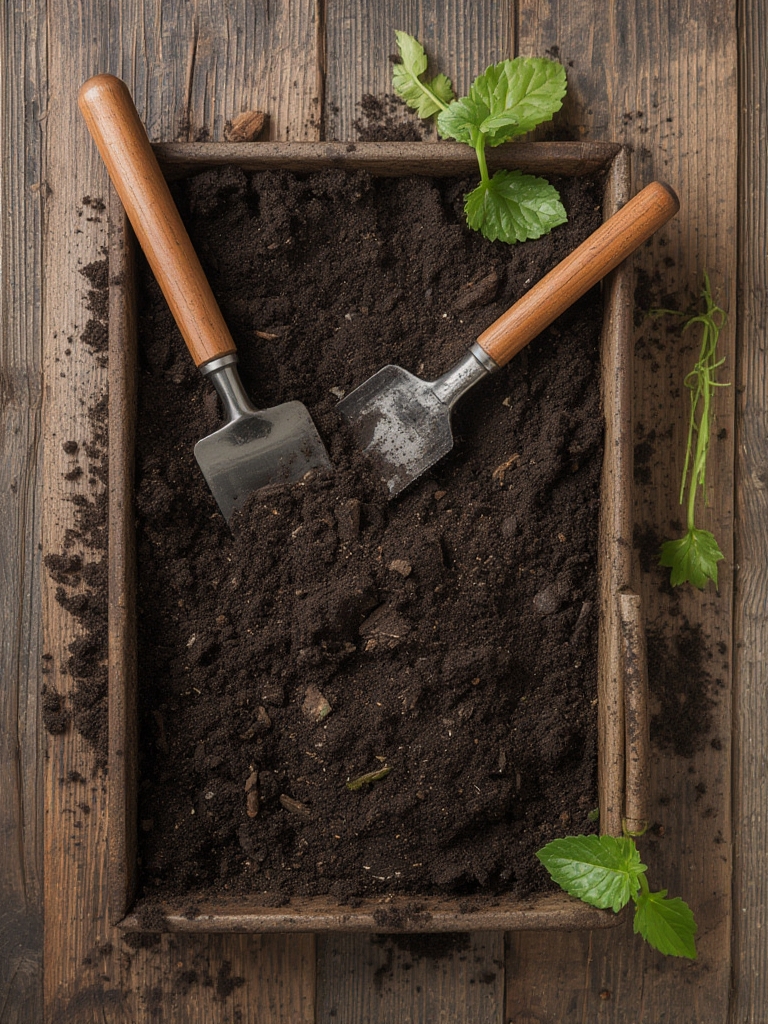
To create your own high-quality organic potting soil mix, you’ll need the following materials:
Base Ingredients:
- Coconut coir or peat moss (4-5 parts): Provides moisture retention and structure
- Perlite or vermiculite (1-2 parts): Ensures proper drainage and aeration
- Compost (2-3 parts): Adds organic matter and slow-release nutrients
- Worm castings (1 part): Enriches soil with beneficial microorganisms
Soil Amendments:
- Organic fertilizer (all-purpose or specific to plant type)
- Bone meal: Provides phosphorus for root development
- Kelp meal: Offers trace minerals and growth hormones
- Mycorrhizal fungi: Improves nutrient absorption
Tools & Equipment:
- Large mixing container or tarp
- Measuring container (bucket or scoop)
- Gardening gloves
- Storage bins with lids
- Watering can or spray bottle
Optional Additions:
- Agricultural lime (for pH adjustment)
- Activated charcoal (for moisture balance)
- Sand (for cacti and succulent mixes)
Timing / Growing Schedule
Creating your Organic Potting Soil Mix requires minimal prep time—approximately 30-45 minutes for mixing and 24 hours for the blend to mature before use. The best time to prepare your mix is 1-2 weeks before your planned planting date, allowing beneficial microorganisms to activate. If you’re refreshing containers for spring planting, prepare your mix in late winter. For fall gardening, mix your soil in late summer. Once created, properly stored potting mix remains viable for 6-12 months, making it worthwhile to prepare larger batches.
Step-by-Step Instructions
Step 1: Prepare Your Workspace
Lay out a large tarp or use a wheelbarrow in a well-ventilated area. Gather all ingredients and tools before beginning to ensure efficient mixing.
Step 2: Measure and Combine Dry Ingredients
Using your measuring container, combine 4 parts coconut coir, 2 parts perlite, 3 parts compost, and 1 part worm castings. These best ingredients for container soil create optimal growing conditions.
Step 3: Moisten the Coir
If using compressed coconut coir, break it apart and add water gradually, mixing until it reaches a crumbly, moist consistency—not soggy.
Step 4: Add Amendments
Incorporate 1-2 cups of organic fertilizer, ½ cup bone meal, and ½ cup kelp meal per 5 gallons of mix. Blend thoroughly using your hands or a garden trowel.
Step 5: Mix Thoroughly
Spend 5-10 minutes mixing all components until uniformly blended. No streaks of individual ingredients should be visible.
Step 6: Test Moisture and Texture
Squeeze a handful—it should form a loose ball that crumbles easily. Adjust by adding dry ingredients or water as needed.
Step 7: Let It Cure
Allow your mix to rest for 24-48 hours in a covered container. This activates beneficial microbes and balances moisture throughout.
Advantages of Homemade Organic Potting Mix
Creating your own organic potting soil offers numerous benefits beyond cost savings. Homemade mixes are free from synthetic chemicals, pesticides, and unknown additives commonly found in commercial products. You gain complete control over ingredient quality, ensuring your plants receive optimal nutrition. This homemade potting mix recipe approach reduces plastic waste from purchasing multiple bags and allows customization for specific plant needs—whether growing acid-loving blueberries or drought-tolerant succulents. Additionally, organic mixes improve soil biology, creating a thriving ecosystem of beneficial microorganisms that naturally suppress diseases and enhance nutrient availability.
Tips, Alternative Methods, and Gardening Advice
For Succulents and Cacti: Increase perlite to 3 parts and add 1 part coarse sand for enhanced drainage.
For Seed Starting: Use a finer mix with more vermiculite and less compost to prevent damping-off disease.
Container Size Considerations: Large containers benefit from added bark chips in the bottom third to improve drainage and reduce weight.
Climate Adaptations: In humid climates, increase perlite proportion; in arid regions, add more coconut coir for moisture retention.
Indoor Growing: Add activated charcoal to prevent odors and control moisture in low-ventilation environments.
Seasonal Refreshing: Each growing season, if you need to know how to refresh old potting soil, remove the top 2-3 inches and replace with fresh mix enriched with compost.
Common Mistakes to Avoid
Using Garden Soil: Never use outdoor soil in containers—it compacts severely, restricts drainage, and may contain pests or diseases. Always use formulated potting mixes.
Over-Fertilizing: Too much fertilizer burns roots. Start with moderate amendments and supplement with liquid feeding as plants grow.
Ignoring Drainage: Skipping perlite or vermiculite creates waterlogged conditions leading to root rot. Proper aeration is non-negotiable.
Not Sterilizing Reused Containers: Always clean and sterilize pots before adding fresh mix to prevent disease transmission.
Compacting the Mix: Never press down hard when filling containers. Gently firm the soil to maintain necessary air pockets.
Forgetting pH Testing: Different plants require different pH levels. Test your mix and adjust with lime (to raise) or sulfur (to lower) as needed.
Storage and Maintenance Tips
Store unused potting mix in airtight containers or sealed bags in a cool, dry location away from direct sunlight. Properly stored mix remains viable for 6-12 months. Before using stored mix, check for musty odors or mold—if present, spread it outdoors to dry and re-aerate before use.
For containers already planted, these organic soil amendments maintain soil health: top-dress with fresh compost every 4-6 weeks, apply compost tea monthly, and replace the top 2-3 inches annually. Monitor moisture levels regularly—container soil dries faster than ground soil. Water when the top inch feels dry, ensuring excess drains freely. During growing season, supplement with organic liquid fertilizer every 2-3 weeks, reducing frequency in winter when growth slows.
Conclusion
Creating the perfect Organic Potting Soil Mix is simpler than most gardeners realize and offers remarkable benefits for plant health, environmental sustainability, and your gardening budget. By investing less than an hour in mixing quality ingredients, you’ll provide your container plants with the ideal foundation for vigorous growth, abundant yields, and season-long vitality. Whether you’re a beginner starting your first herb garden or an experienced gardener optimizing your container setup, this customizable approach puts you in complete control of your plants’ success. Ready to transform your container garden? Gather your ingredients today and experience the difference that quality organic potting soil makes. Share your results and favorite mix variations in the comments below!
FAQs
Q: Can I reuse potting soil from last season?
A: Yes, but refresh it first. Remove plant debris and roots, break up compacted areas, mix in fresh compost (25-30% by volume), add new amendments, and consider sterilizing if plants showed disease. Completely replace soil every 2-3 years.
Q: What’s the difference between potting soil and potting mix?
A: Potting soil often contains actual soil and is heavier, while potting mix is soilless, typically containing peat moss or coir, perlite, and organic matter. Potting mix is preferable for containers due to superior drainage and aeration.
Q: How do I adjust my mix for specific plants?
A: For vegetables, add extra compost and balanced fertilizer. For orchids, use bark-based mixes with minimal moisture retention. For herbs, ensure excellent drainage with extra perlite. For acid-loving plants like blueberries, lower pH with sulfur or pine needles.
Q: Is homemade potting mix really cheaper than store-bought?
A: When making large quantities, absolutely. A homemade batch costs roughly 40-60% less than premium organic commercial mixes. The savings increase significantly when buying base ingredients in bulk.
Q: How often should I fertilize plants in organic potting mix?
A: Organic mixes release nutrients slowly, but container plants still benefit from supplemental feeding. Apply diluted organic liquid fertilizer every 2-3 weeks during active growth, or use slow-release organic granules every 6-8 weeks.