


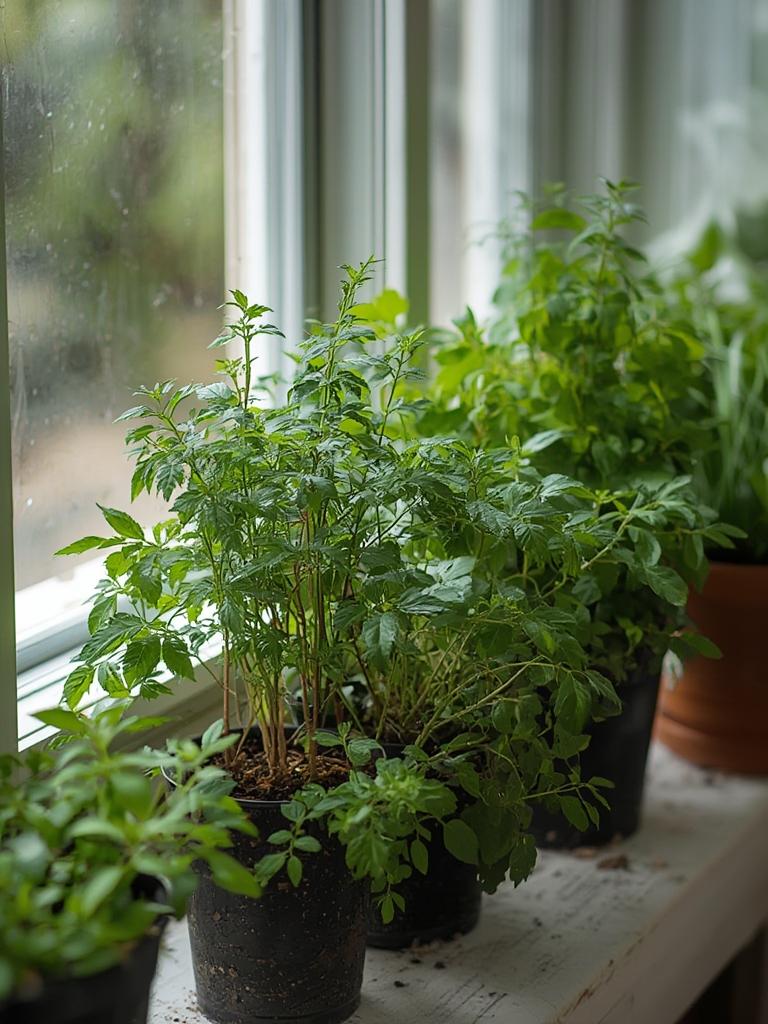
The Beginner’s Guide to a Thriving Indoor Herb Garden (5 Must-Grow Herbs!)
Have you ever wished you could grab fresh basil, mint, or rosemary right from your kitchen while cooking? Imagine the convenience of snipping fragrant herbs without leaving your home—no grocery trips, no wilted store-bought bundles, just vibrant greenery at your fingertips. Growing an Indoor Herb Garden is not only achievable for beginners but also incredibly rewarding. With minimal space, a sunny windowsill, and a bit of care, you can cultivate your own DIY windowsill garden that brings flavor, freshness, and natural beauty into your home year-round.
Indoor herb gardening offers more than just culinary perks—it purifies the air, reduces stress, and connects you with nature even in urban settings. Whether you’re a seasoned gardener or just starting, this guide will walk you through everything you need to know to grow five essential herbs indoors with confidence.
Materials & Supplies
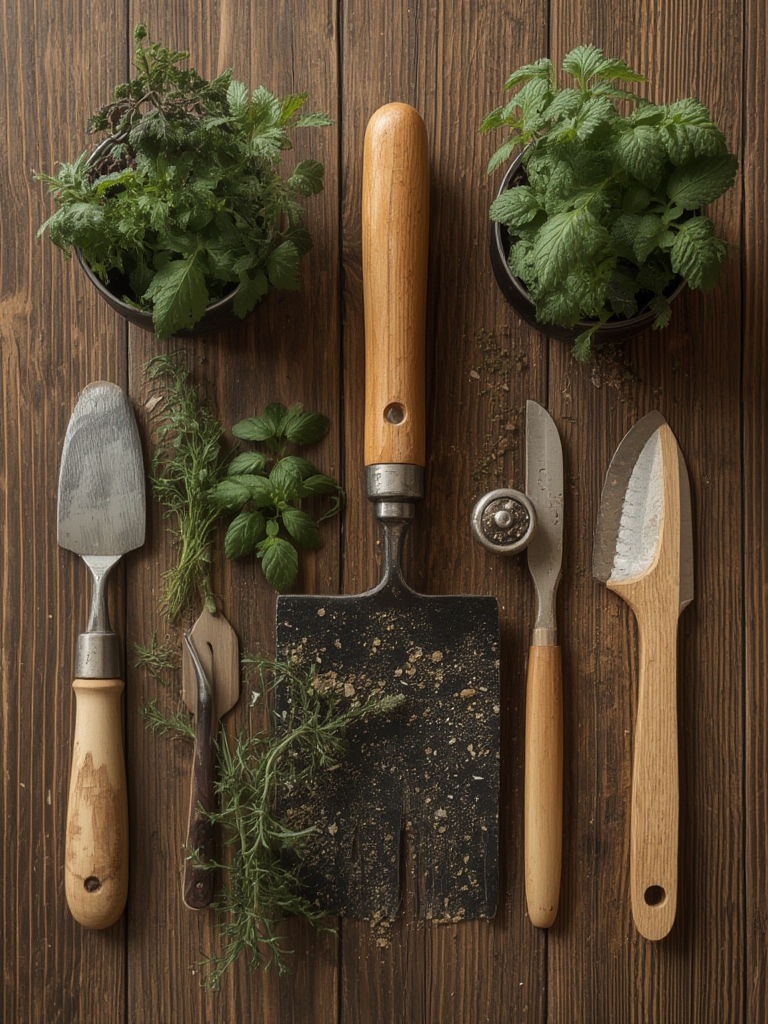
To get started with your Indoor Herb Garden, gather these essential materials:
- Herb Seeds or Seedlings: Choose beginner-friendly varieties like basil, mint, parsley, cilantro, and rosemary.
- Pots with Drainage Holes: 6-8 inch containers work well for most herbs. Terracotta or ceramic pots are ideal.
- Potting Soil: Use high-quality, well-draining potting mix designed for containers, not garden soil.
- Watering Can: A small can with a narrow spout for precise watering.
- Fertilizer: Organic liquid fertilizer or slow-release granules formulated for herbs.
- Grow Lights (Optional): LED grow lights are helpful if you lack sufficient natural sunlight.
- Drainage Trays: To catch excess water and protect surfaces.
- Spray Bottle: For misting herbs that prefer humidity.
- Pruning Shears or Scissors: For harvesting and trimming.
Optional Items: Plant labels, humidity trays, or self-watering pots for low-maintenance care.
Timing / Growing Schedule
Most herbs germinate within 7-14 days from seed, though seedlings offer a faster start. Expect to harvest your first cuttings within 3-6 weeks depending on the herb variety. For example, basil and cilantro grow rapidly and can be harvested in about 3-4 weeks, while rosemary takes longer, around 6-8 weeks. Plan to sow seeds indoors anytime, as controlled indoor conditions allow year-round gardening. For continuous harvests, stagger plantings every 2-3 weeks.
Step-by-Step Instructions
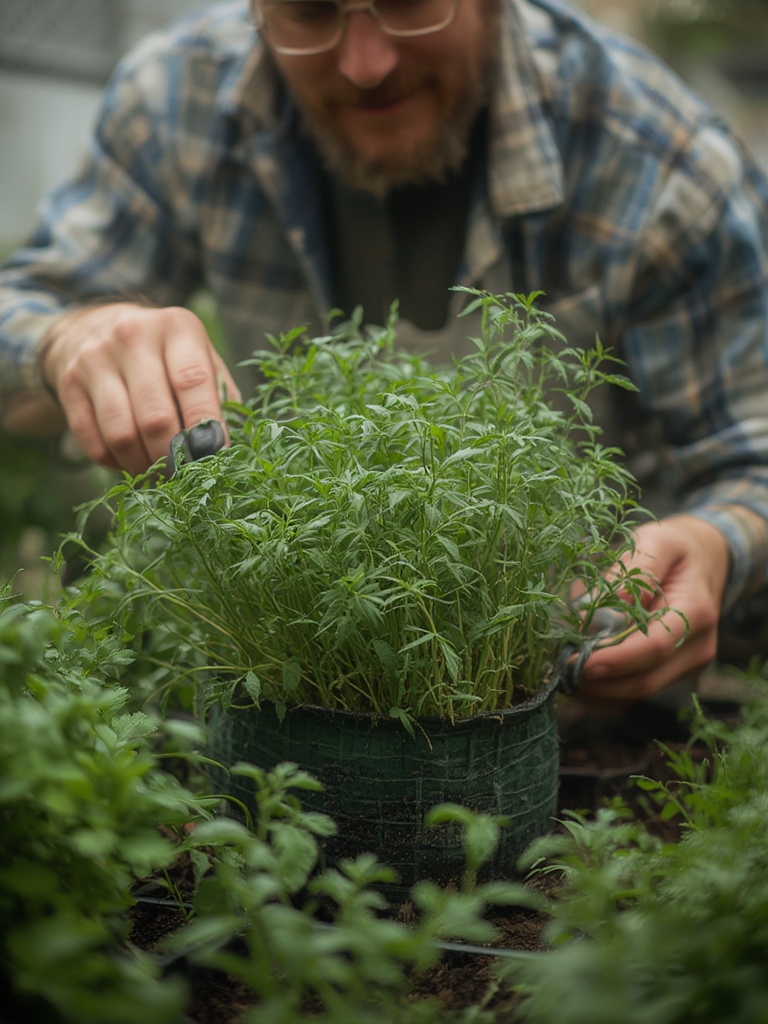
Step 1: Choose Your Herbs
Select best herbs to grow indoors like basil, mint, parsley, cilantro, and rosemary. These thrive in indoor conditions and are versatile in cooking.
Step 2: Prepare Your Pots
Fill containers with potting soil, leaving about an inch of space at the top. Ensure drainage holes are clear to prevent waterlogging.
Step 3: Plant Seeds or Seedlings
Sow seeds according to packet instructions (usually ¼ inch deep) or transplant seedlings gently. Water lightly after planting.
Step 4: Position for Optimal Light
Place your Indoor Herb Garden in a south-facing window for 6-8 hours of sunlight daily. Rotate pots weekly for even growth. If natural light is insufficient, supplement with grow lights positioned 6-12 inches above plants.
Step 5: Water Consistently
Check soil moisture daily. Water when the top inch feels dry, ensuring thorough saturation without sogginess. Herbs prefer slightly moist, not wet, soil.
Step 6: Fertilize Regularly
Apply diluted liquid fertilizer every 2-3 weeks to support healthy growth.
Step 7: Harvest Frequently
Pinch off leaves regularly to encourage bushier growth. Never remove more than one-third of the plant at once.
Nutritional Benefits / Advantages
Growing herbs indoors provides fresh ingredients packed with vitamins, antioxidants, and anti-inflammatory properties. Basil contains vitamin K and essential oils, parsley is rich in vitamin C, and rosemary boasts compounds that support brain health. Beyond nutrition, indoor gardening improves air quality, reduces anxiety, and offers the satisfaction of self-sufficiency. Plus, homegrown herbs are pesticide-free and far more flavorful than store-bought options.
Tips, Alternative Methods, or Gardening Advice
For easy indoor gardening, try these variations:
- Container Gardening: Use mason jars or recycled containers for a budget-friendly approach.
- Hydroponic Systems: Grow herbs in water-based systems for faster growth and minimal mess.
- Vertical Gardens: Maximize space by mounting pots on walls or using tiered shelving.
- Seasonal Adjustments: In winter, move herbs closer to windows or use grow lights to compensate for shorter days.
Tip: Learning how to grow basil indoors is especially rewarding—pinch off flower buds to extend the harvest and maintain leaf production.
Common Mistakes to Avoid
- Overwatering: Causes root rot. Always check soil moisture before watering.
- Insufficient Light: Results in leggy, weak plants. Use grow lights if needed.
- Neglecting Drainage: Trapped water kills roots. Ensure pots have drainage holes.
- Skipping Harvesting: Leads to flowering and reduced leaf production. Harvest regularly.
- Wrong Soil Type: Garden soil compacts in containers. Use potting mix only.
Storage / Maintenance Tips
Harvesting: Snip leaves in the morning after dew dries for peak flavor.
Storage: Refrigerate fresh herbs wrapped in damp paper towels for up to a week, or freeze in ice cube trays with olive oil.
Ongoing Care: Rotate pots weekly, prune yellowing leaves, and repot annually if roots become crowded. Reduce watering frequency in winter when growth slows.
Conclusion
Starting an Indoor Herb Garden is a simple, fulfilling way to enjoy fresh flavors and greenery year-round. With the right materials, consistent care, and these proven tips, you’ll soon be harvesting basil, mint, and more from your own kitchen. Ready to get growing? Share your indoor gardening success stories in the comments or explore more plant guides on our site!
FAQs
Q1: What are the best herbs to grow indoors for beginners?
Basil, mint, parsley, cilantro, and rosemary are easiest due to their adaptability and rapid growth.
Q2: How much light does an indoor herb garden need?
Most herbs require 6-8 hours of bright, indirect sunlight daily. Supplement with grow lights if necessary.
Q3: Can I grow herbs indoors without a sunny window?
Yes! Use full-spectrum LED grow lights positioned 6-12 inches above plants for 12-16 hours daily.
Q4: How often should I water indoor herbs?
Water when the top inch of soil feels dry, typically every 2-4 days depending on humidity and temperature.
Q5: Why is my basil turning yellow?
Yellow leaves often indicate overwatering, nutrient deficiency, or insufficient light. Adjust care accordingly.