

word in all the structure.
here is the content:
The Absolute Beginner’s Guide to Successful Container Gardening
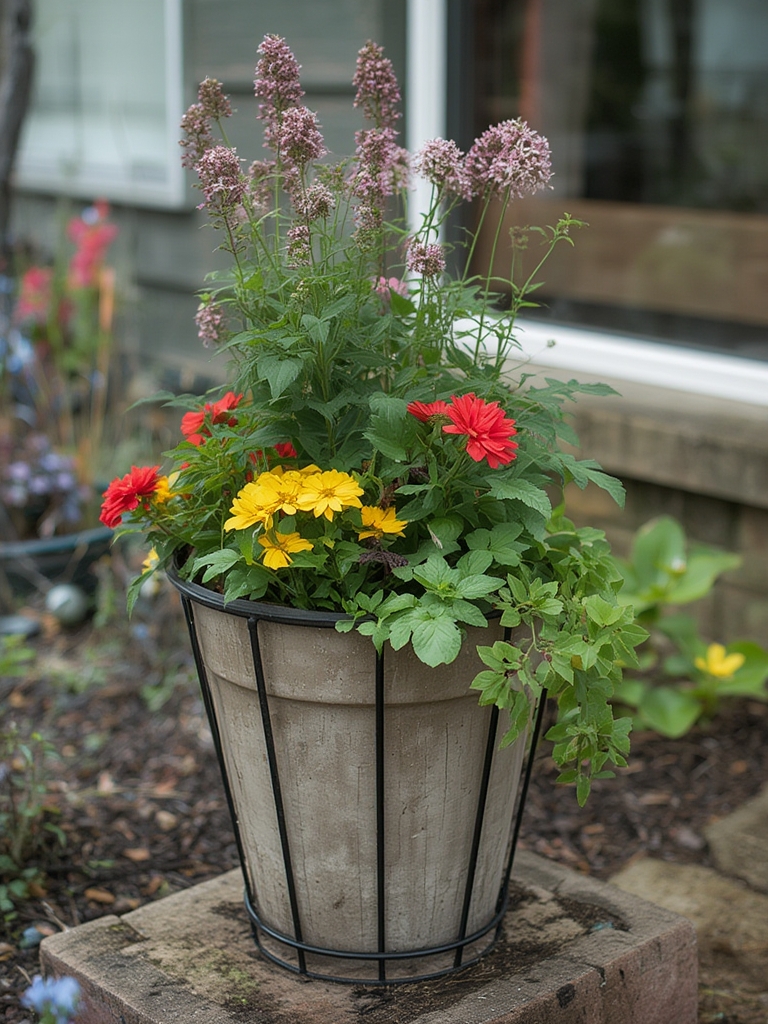
Have you ever wished you could grow fresh herbs, vibrant flowers, or crisp vegetables but felt limited by a lack of garden space? The good news is that you don’t need acres of land to cultivate a thriving garden—container gardening makes it possible to grow almost anything, anywhere. Whether you live in a small apartment with just a balcony or have a tiny patio, Container Gardening for Beginners opens up a world of possibilities. This comprehensive guide will walk you through everything you need to know to start your container gardening journey successfully, from selecting the right pots to harvesting your first homegrown produce.
Materials & Supplies
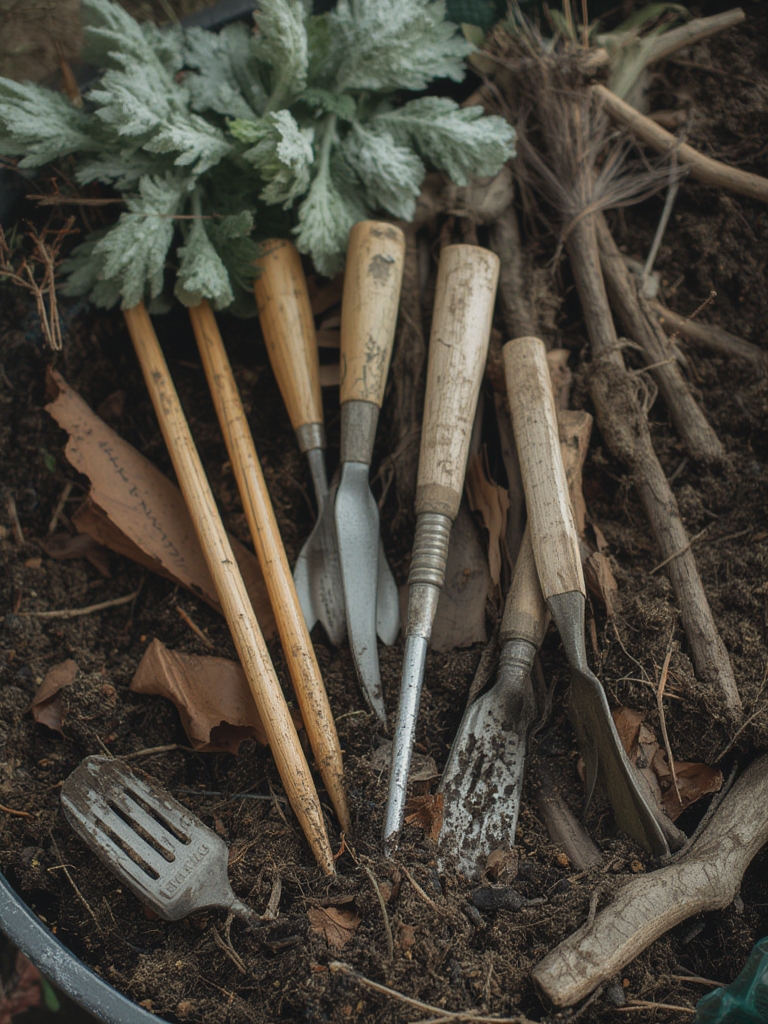
To begin your container gardening adventure, you’ll need several essential materials:
Containers/Pots: Choose containers with drainage holes at the bottom. Sizes range from 6-inch pots for herbs to 5-gallon buckets for tomatoes. Materials include plastic, ceramic, terracotta, or fabric grow bags.
Potting Soil: Never use garden soil in containers. Invest in high-quality, well-draining potting mix specifically formulated for container plants. The best soil for container gardening should contain peat moss, vermiculite, or perlite for proper aeration and moisture retention.
Seeds or Seedlings: Start with easy-to-grow varieties like lettuce, herbs, radishes, or cherry tomatoes.
Fertilizer: Container plants deplete nutrients faster than in-ground plants. Use slow-release granular fertilizer or liquid fertilizer applied every 2-4 weeks.
Watering Can or Hose: A watering can with a long spout helps deliver water directly to the soil without disturbing plants.
Trowel and Hand Tools: Basic gardening tools for planting and maintenance.
Saucers/Trays: Place under pots to catch excess water and protect surfaces.
Optional Items: Plant stakes, trellises for climbing vegetables, mulch to retain moisture, and gardening gloves.
Timing / Growing Schedule
The beauty of container gardening is its flexibility. Most vegetables and herbs take 60-90 days from seed to harvest. Start cool-season crops like lettuce and spinach 4-6 weeks before the last spring frost. Warm-season plants like tomatoes, peppers, and basil should be planted after all danger of frost has passed, typically in late spring.
Preparation time is minimal—about 30-60 minutes to fill containers and plant seeds. Growth periods vary: leafy greens mature in 30-45 days, while tomatoes need 60-80 days. Plan successive plantings every 2-3 weeks for continuous harvests throughout the growing season.
Step-by-Step Instructions
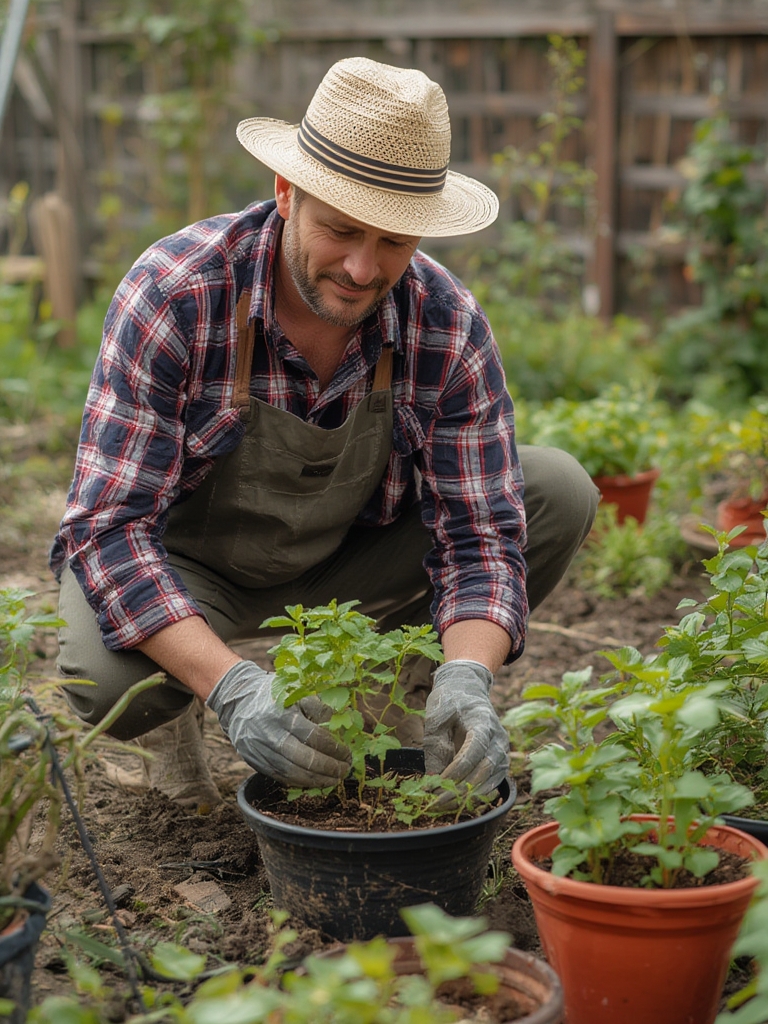
Step 1: Select Your Container
When choosing garden pots, ensure they’re large enough for your plant’s root system. Herbs need 6-8 inches depth, while tomatoes require at least 12-18 inches. Verify drainage holes exist; drill additional ones if necessary.
Step 2: Add Potting Mix
Fill containers with quality potting soil, leaving 1-2 inches from the rim. Moisten the soil before planting to ensure even hydration.
Step 3: Plant Seeds or Transplants
Follow seed packet instructions for proper depth and spacing. For seedlings, gently loosen root balls before placing them in soil at the same depth they were growing previously.
Step 4: Water Thoroughly
After planting, water until liquid drains from the bottom. This settles soil around roots and eliminates air pockets.
Step 5: Position Containers
Place containers where plants receive appropriate sunlight—6-8 hours for vegetables, 4-6 hours for herbs, and varying amounts for flowers based on variety.
Step 6: Establish Watering Routine
Watering container plants requires consistency. Check soil moisture daily by inserting your finger 1-2 inches deep. Water when soil feels dry, typically once daily in summer heat.
Nutritional Benefits / Advantages
Growing your own food in containers provides unmatched freshness and nutrition. Homegrown vegetables contain higher vitamin levels than store-bought produce, as nutrients begin degrading immediately after harvest. Container gardening also offers mental health benefits, reducing stress and providing therapeutic outdoor activity. Environmentally, it reduces carbon footprint by eliminating transportation needs and allows control over pesticide-free growing methods.
Tips, Alternative Methods, or Gardening Advice
Indoor Container Gardening: Grow herbs and microgreens near sunny windows year-round using supplemental grow lights if needed.
Growing vegetables in buckets: Five-gallon buckets work excellently for potatoes, tomatoes, and peppers. Drill drainage holes and paint light colors to prevent overheating.
Self-Watering Containers: Consider self-watering pots for busy schedules or vacation periods—they provide consistent moisture through reservoir systems.
Vertical Gardening: Maximize small spaces by stacking containers or using wall-mounted planters.
Companion Planting: Combine compatible plants like basil with tomatoes to maximize space and deter pests naturally.
Common Mistakes to Avoid
Overwatering: The leading cause of container plant failure. Ensure proper drainage and water only when needed.
Using Garden Soil: Heavy garden soil compacts in containers, suffocating roots. Always use lightweight potting mix.
Inadequate Container Size: Plants become root-bound in small pots, stunting growth. Size up appropriately.
Neglecting Fertilization: Container plants exhaust nutrients quickly. Fertilize regularly throughout the growing season.
Ignoring Sunlight Requirements: Placing sun-loving plants in shade guarantees poor results. Match plants to available light conditions.
Storage / Maintenance Tips
Harvesting and Storage: Pick vegetables at peak ripeness in morning hours. Store leafy greens in refrigerator crisper drawers, tomatoes at room temperature, and herbs by freezing or drying.
Ongoing Maintenance:
- Water consistently based on weather conditions
- Deadhead flowers to encourage continued blooming
- Prune leggy growth to promote bushiness
- Rotate containers quarterly for even sun exposure
- Replenish nutrients monthly during active growth
- Check for pests weekly and address issues promptly
- Clean containers between seasons to prevent disease
Conclusion
Container gardening transforms any space into a productive growing area, making fresh produce accessible regardless of your living situation. By following these beginner-friendly guidelines—selecting appropriate containers, using quality potting soil, establishing consistent watering routines, and avoiding common mistakes—you’ll soon enjoy the satisfaction of harvesting homegrown food. Start small with a few pots of herbs or lettuce, then expand as your confidence grows. Your container garden awaits—share your successes with fellow gardeners and explore more growing guides to expand your horticultural horizons!
FAQs
Q: How often should I water container plants?
A: This depends on plant type, container size, and weather conditions. Generally, check daily and water when the top 1-2 inches of soil feel dry. Container plants typically need watering once daily in summer, less frequently in cooler weather.
Q: Can I reuse potting soil from last season?
A: Yes, but refresh it first. Remove old roots, mix in fresh potting soil (50/50 ratio), and add slow-release fertilizer. Replace completely every 2-3 years as soil structure degrades.
Q: What vegetables grow best in containers for beginners?
A: Start with lettuce, radishes, cherry tomatoes, peppers, herbs (basil, parsley, cilantro), green beans, and spinach. These have high success rates and relatively short growing periods.
Q: Do I need to use fertilizer if my potting mix contains nutrients?
A: Yes. Initial nutrients in potting mix typically last only 4-6 weeks. Begin fertilizing after this period with balanced liquid fertilizer every 2-4 weeks throughout the growing season.
Q: How much sunlight do container vegetables need?
A: Most vegetables require 6-8 hours of direct sunlight daily for optimal production. Leafy greens tolerate partial shade (4-6 hours), while tomatoes and peppers need full sun for best yields.