


Soil-Free Harvest: An Easy 5-Step Guide to Beginner Hydroponics at Home
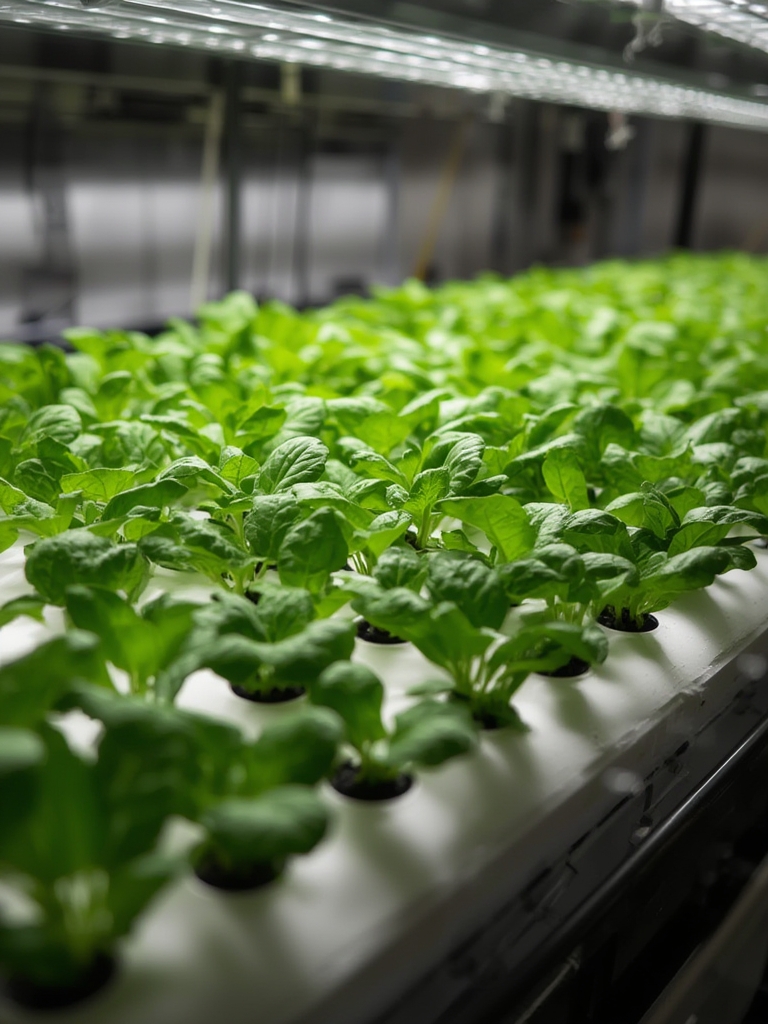
Have you ever wondered if you could grow fresh, crisp lettuce in your kitchen without a single handful of soil? Welcome to the revolutionary world of Beginner Hydroponics, where plants thrive in nutrient-rich water solutions instead of traditional garden beds. Hydroponic gardening isn’t just for commercial farms anymore—it’s an accessible, space-saving method that anyone can master at home. Whether you live in a small apartment or simply want year-round fresh greens, this soil-free approach offers faster growth, higher yields, and complete control over your growing environment.
Materials & Supplies
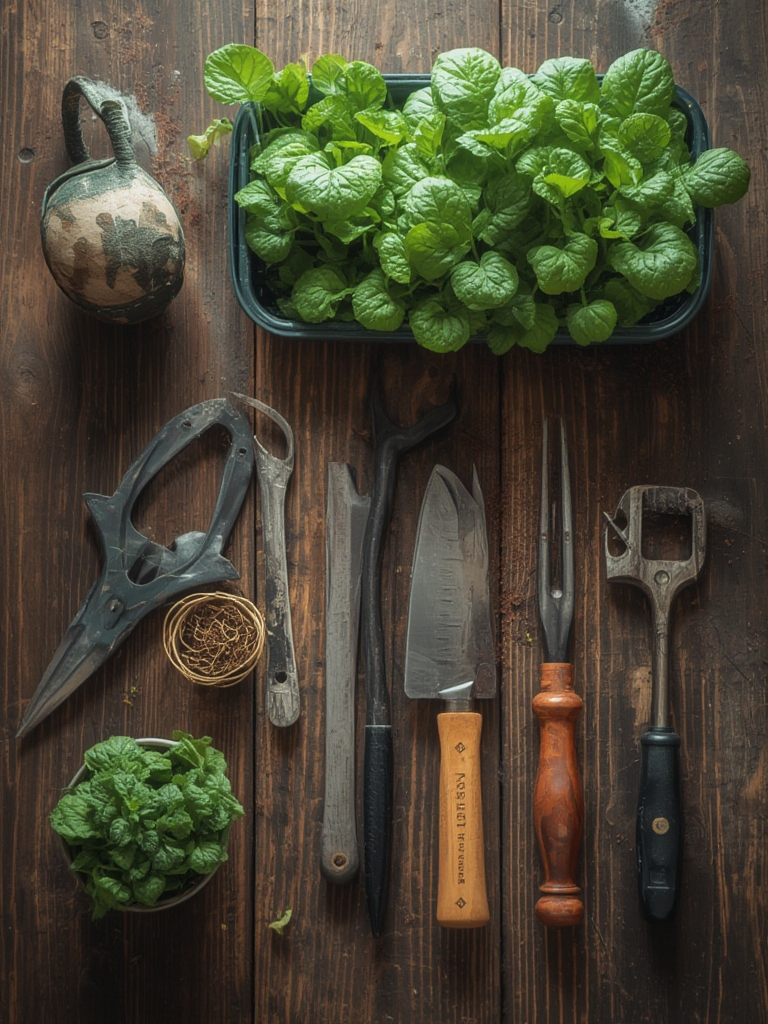
To start your DIY hydroponic system, you’ll need these essential items:
Basic Supplies:
- Container or jar (mason jars, food-grade plastic containers, or repurposed buckets)
- Net pots or cups with holes (2-3 inch diameter)
- Hydroponic nutrient solution (specifically formulated for vegetables)
- pH test kit or digital pH meter
- Growing medium (clay pellets, rockwool cubes, or coconut coir)
- Lettuce seeds (Buttercrunch, Romaine, or any loose-leaf variety)
- Distilled or filtered water
- Aluminum foil or opaque tape (to block light from roots)
Optional Items:
- LED grow lights (for areas with insufficient natural light)
- Air pump with air stone (for oxygenation in larger systems)
- Graduated measuring cup for precise nutrient mixing
- Thermometer to monitor water temperature
Timing / Growing Schedule
Beginner Hydroponics offers significantly faster results than traditional gardening. Your initial setup requires about 30-45 minutes of preparation time. Lettuce seeds typically germinate within 3-7 days when kept in a warm, humid environment. From seed to harvest, expect approximately 28-45 days depending on the lettuce variety—that’s nearly 30% faster than soil-based growing! Plan to check your system every 2-3 days initially, then weekly once established. For continuous harvests, start new plants every two weeks.
Step-by-Step Instructions
Step 1: Prepare Your Container
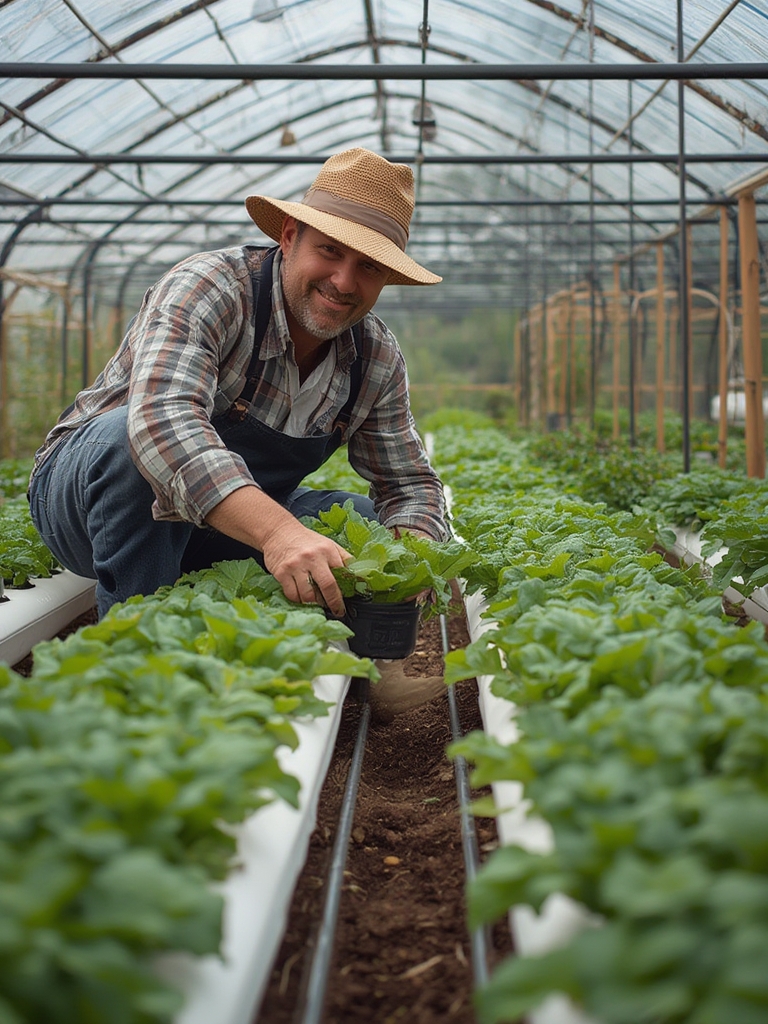
Clean your container thoroughly with mild soap and rinse completely. Cut a hole in the lid sized to fit your net pot snugly. Cover the container’s exterior with aluminum foil or opaque tape to prevent algae growth—light exposure to nutrient solution creates unwanted green buildup.
Step 2: Start Your Seeds
Place 2-3 lettuce seeds in a dampened rockwool cube or growing medium. Keep the cube moist (not soaked) and maintain temperatures between 65-75°F. Position in indirect sunlight or under grow lights for 16 hours daily. Within a week, you’ll see sprouts emerging.
Step 3: Set Up the Nutrient Solution
Once seedlings develop their first true leaves (usually after 7-10 days), prepare your nutrient solution following package directions—typically 1-2 teaspoons per gallon. Adjust pH to 5.5-6.5 using pH up or down solutions. This optimal range ensures maximum nutrient absorption.
Step 4: Transfer to Hydroponic System
This Kratky method tutorial step is crucial: Fill your container so the water level just touches the bottom of the net pot. Place your seedling (with growing medium) into the net pot. As roots grow downward, they’ll reach the nutrient solution while the upper roots access oxygen from the air gap that naturally develops as plants consume water.
Step 5: Monitor and Maintain
Position your system in a location receiving 12-16 hours of light daily. Check the nutrient solution level weekly, but don’t refill—the Kratky method relies on the developing air gap. Monitor for yellowing leaves (nitrogen deficiency) or brown edges (pH imbalance).
Nutritional Benefits / Advantages
Growing lettuce without soil delivers impressive advantages. Hydroponic lettuce contains up to 50% more vitamins and minerals than store-bought varieties because you control exactly what goes into your plants. You’ll enjoy pesticide-free greens harvested at peak freshness, maximizing nutritional value. Hydroponics uses 90% less water than traditional gardening, making it environmentally sustainable. Plus, you’ll save money—one $3 packet of seeds yields dozens of harvests worth over $100 in store-bought lettuce.
Tips, Alternative Methods, or Gardening Advice
For hydroponics for home with limited space, try vertical systems using stackable containers. In colder climates, position your setup near a south-facing window or invest in affordable LED grow lights (available for $20-40). During hot summers, freeze water bottles and place them beside your container to maintain ideal water temperatures below 75°F. Consider growing basil, spinach, or herbs using identical methods. For enhanced yields, transition to Deep Water Culture (DWC) systems with air pumps once you’ve mastered the basics.
Common Mistakes to Avoid
Overfilling Water: Don’t submerge roots completely—plants need oxygen. Maintain a 1-2 inch air gap between water and net pot.
Using Tap Water: Chlorinated tap water harms beneficial microorganisms. Always use filtered or distilled water, or let tap water sit uncovered for 24 hours before use.
Ignoring pH Levels: Incorrect pH locks out nutrients. Test weekly and adjust as needed using pH control solutions.
Overcrowding Seeds: Plant only 2-3 seeds per cube. Overcrowding creates weak, leggy seedlings competing for light.
Neglecting Light Requirements: Insufficient light causes slow growth and bitter leaves. Ensure 12-16 hours of quality light daily.
Storage / Maintenance Tips
Harvest lettuce leaves from the outside working inward, allowing the center to continue producing. Freshly harvested lettuce stores in the refrigerator for 7-10 days when wrapped in slightly damp paper towels inside a container. For the Kratky method, minimal maintenance is required—simply monitor solution levels without adding water. Clean and sanitize containers between crops using a diluted bleach solution (1 tablespoon per gallon) to prevent disease carryover. Replace nutrient solution every 2-3 weeks if you’re using a refillable system variation.
Conclusion
Growing your own fresh greens through Beginner Hydroponics is easier than you might think. With just a few affordable supplies and these five simple steps, you’ll enjoy crisp, nutritious lettuce harvested from your own kitchen. The Kratky method’s simplicity makes it perfect for first-time hydroponic gardeners, requiring minimal equipment and almost no maintenance. Ready to start your soil-free harvest? Set up your first system this weekend and experience the satisfaction of homegrown produce. Share your hydroponic journey with us in the comments below, and explore our other guides for expanding your indoor garden!
FAQs
Q1: How much does it cost to start beginner hydroponics at home?
Initial setup costs range from $15-50 depending on materials you already have. A basic Kratky system using repurposed containers costs under $20, while purpose-built kits with grow lights run $40-100.
Q2: Can I grow hydroponics without sunlight?
Yes! LED grow lights provide full-spectrum light necessary for plant growth. Position lights 6-12 inches above plants and run 14-16 hours daily for optimal lettuce production.
Q3: Why is my lettuce growing slowly in hydroponics?
Common causes include insufficient light (most frequent issue), incorrect pH levels (test and adjust to 5.5-6.5), improper nutrient concentration, or water temperatures above 75°F.
Q4: How often should I change the water in my hydroponic system?
For the Kratky method, don’t change or refill water—the declining level creates essential oxygen access. For recirculating systems, change nutrients every 2-3 weeks or when solution becomes cloudy.
Q5: What’s the easiest plant for beginner hydroponics besides lettuce?
Herbs like basil, mint, and cilantro are equally beginner-friendly, with similar growing requirements. Spinach, kale, and arugula also thrive using the same basic Kratky method setup.