


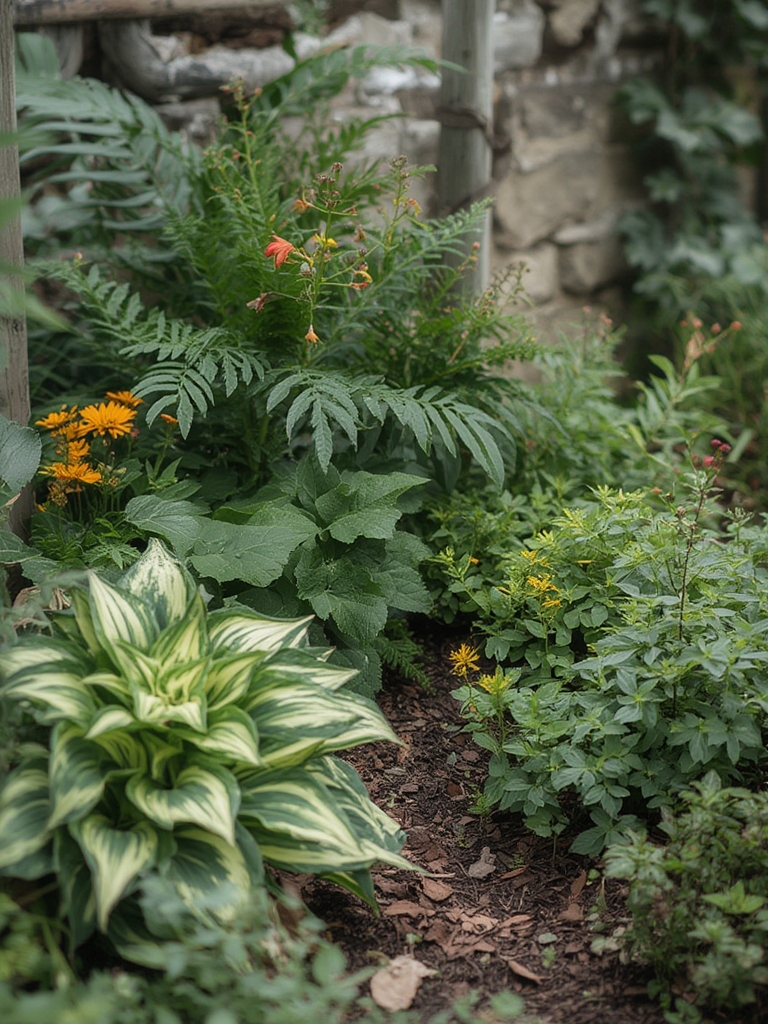
Planting Pals: Companion Planting Combinations to Boost Your Small Garden Harvest
Have you ever wondered why some gardeners seem to harvest bountifully from tiny plots while others struggle with pests and poor yields? The secret often lies in strategic plant partnerships. Companion Planting for Small Gardens is an ancient agricultural practice that maximizes space, naturally deters pests, and boosts productivity by growing mutually beneficial plants together. With limited garden space, choosing the right plant combinations becomes essential for success. This technique not only increases your harvest but also creates a healthier, more resilient garden ecosystem.
Materials & Supplies
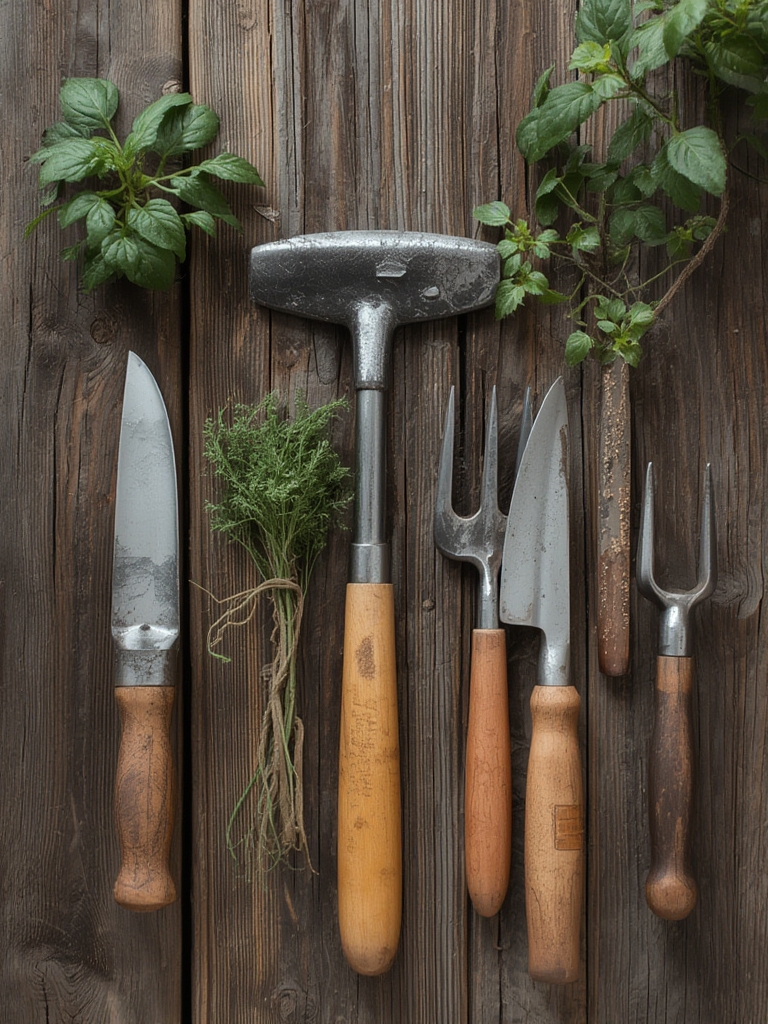
To implement effective companion planting strategies, you’ll need:
Seeds or Seedlings: Choose complementary varieties like tomatoes with basil, carrots with onions, or beans with corn. Select heirloom or organic options when possible.
Quality Soil: Well-draining, nutrient-rich potting mix or garden soil amended with compost. Companion plants often have different nutrient needs that complement each other.
Garden Beds or Containers: Raised beds (at least 12 inches deep), large containers (5-gallon minimum), or designated garden plots.
Organic Fertilizer: Compost, worm castings, or balanced organic fertilizer to support diverse plant needs.
Mulch: Straw, wood chips, or shredded leaves to retain moisture and suppress weeds.
Garden Tools: Trowel, hand rake, watering can or hose with spray nozzle, garden stakes, and twine.
Optional Items: Row covers for pest protection, pH testing kit, plant labels, and trellises for vertical growing.
Timing / Growing Schedule
Companion planting requires strategic timing. Start planning 4-6 weeks before your last frost date. Cool-season companions like lettuce and radishes can be planted together 2-4 weeks before the last frost. Warm-season combinations such as tomatoes, basil, and marigolds should be planted after all frost danger passes.
Most companion plantings show benefits within 3-4 weeks as plants establish. Expect full harvest cycles between 60-90 days for vegetables, though some combinations provide season-long benefits. Succession planting every 2-3 weeks ensures continuous harvests from small spaces.
Step-by-Step Instructions
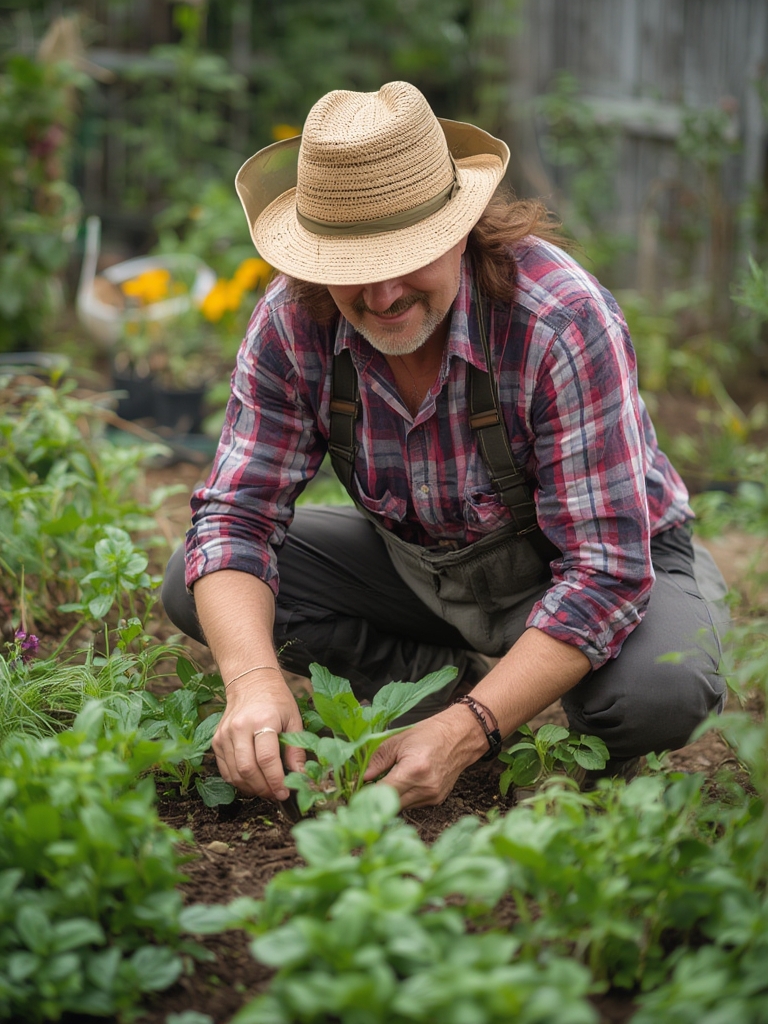
Step 1: Prepare your garden bed by removing weeds and incorporating 2-3 inches of compost. Test soil pH (most vegetables prefer 6.0-7.0).
Step 2: Map your companion combinations. Place taller plants (tomatoes, corn) on the north side to avoid shading shorter companions. Leave adequate spacing—overcrowding negates companion benefits.
Step 3: Plant best vegetable companions together: tomatoes with basil and marigolds; carrots with onions and sage; beans with corn and squash (Three Sisters method); cucumbers with nasturtiums and radishes.
Step 4: Water deeply after planting, ensuring soil stays consistently moist but not waterlogged during establishment.
Step 5: Apply 2-inch mulch layer around plants, keeping it away from stems to prevent rot.
Step 6: Monitor plant relationships. Some companions mature faster (radishes) and can be harvested while others continue growing, maximizing space efficiency.
Nutritional Benefits / Advantages
Growing companion plants together creates a self-supporting ecosystem that reduces chemical dependency. Natural pest deterrent plants like marigolds, nasturtiums, and herbs protect vegetables without toxic sprays, resulting in cleaner, healthier produce.
Understanding why grow basil with tomatoes reveals multiple benefits: basil repels aphids, hornworms, and whiteflies while enhancing tomato flavor. Studies suggest aromatic herbs can improve the essential oil content in neighboring vegetables.
The practice of maximizing garden yield through companion planting can increase productivity by 20-40% compared to monoculture gardening. Nitrogen-fixing legumes enrich soil for heavy feeders, while deep-rooted plants bring nutrients to the surface for shallow-rooted companions.
Tips, Alternative Methods, or Gardening Advice
For container gardening, combine cherry tomatoes with basil and parsley in 10-gallon pots. Vertical trellising allows pole beans to grow alongside lettuce and spinach underneath.
In raised beds, create blocks rather than rows—plant carrots surrounded by onion borders for natural pest protection. Inter-plant fast-growing radishes between slower-maturing broccoli.
Indoor growers can companion plant herbs and microgreens under grow lights, pairing moisture-loving basil with cilantro while keeping rosemary separate.
For challenging climates, adjust combinations seasonally. In hot regions, use taller companions to shade heat-sensitive lettuces. Cold-climate gardeners should focus on quick-maturing pairs.
Common Mistakes to Avoid
Incompatible Pairings: Never plant beans with onions or garlic—they inhibit bean growth. Keep fennel isolated as it stunts most vegetables.
Overcrowding: Respect spacing requirements. Crowded plants compete rather than complement, increasing disease susceptibility.
Ignoring Sunlight Needs: Don’t pair sun-loving tomatoes with shade-tolerant lettuce in positions where the tomato blocks light.
Monoculture Mentality: Planting too many of the same companion (all marigolds) reduces biodiversity benefits.
Poor Rotation: Rotate companion groups annually to prevent soil depletion and pest buildup.
Storage / Maintenance Tips
Harvest companion plants at their peak—morning picking after dew dries preserves flavor and nutrients. Store tomatoes at room temperature; refrigerate basil wrapped in damp paper towels inside plastic bags.
Water companion gardens deeply 1-2 times weekly rather than shallow daily watering. This encourages deep root systems and strengthens plant partnerships.
Prune companion herbs regularly to encourage bushier growth and sustained pest-deterrent essential oil production. Remove diseased foliage immediately to protect neighboring plants.
Side-dress heavy feeders monthly with compost while legume companions naturally replenish nitrogen. Apply balanced organic fertilizer mid-season if plants show nutrient deficiency.
Conclusion
Companion planting transforms small gardens into productive ecosystems where plants work together for mutual benefit. By implementing these strategic combinations, you’ll naturally deter pests, improve soil health, and dramatically increase yields from limited space. Start with proven partnerships like tomatoes with basil or carrots with onions, then experiment to discover what thrives in your unique microclimate. Ready to boost your garden harvest? Share your favorite companion planting combinations in the comments, and explore our related posts on vertical gardening and organic pest control strategies!
FAQs
What are the best companion plants for tomatoes in small gardens?
Basil, marigolds, carrots, parsley, and nasturtiums make excellent tomato companions. Basil repels pests and enhances flavor, while marigolds deter nematodes. Avoid planting tomatoes near brassicas or fennel.
How does companion planting naturally control pests?
Aromatic herbs confuse pests through scent masking, while flowering companions attract beneficial predatory insects. Some plants like marigolds release root compounds that repel soil pests. This multi-layered approach reduces chemical pesticide needs.
Can I companion plant in containers?
Absolutely! Choose large containers (minimum 5 gallons) and combine plants with similar water and sunlight requirements. Pair compact varieties like cherry tomatoes with basil, or plant lettuce around the base of trellised cucumbers.
How much space should I leave between companion plants?
Follow individual plant spacing guidelines, then reduce slightly (10-20%) for compatible companions. Tomatoes need 18-24 inches, basil 12 inches—planting basil 10 inches from tomato stems works well without competition.
Does companion planting actually increase yields?
Research shows properly implemented companion planting can increase yields 20-40% through improved pollination, pest reduction, and efficient resource use. Results vary by combination, climate, and gardening practices, but most gardeners report noticeable improvements.