


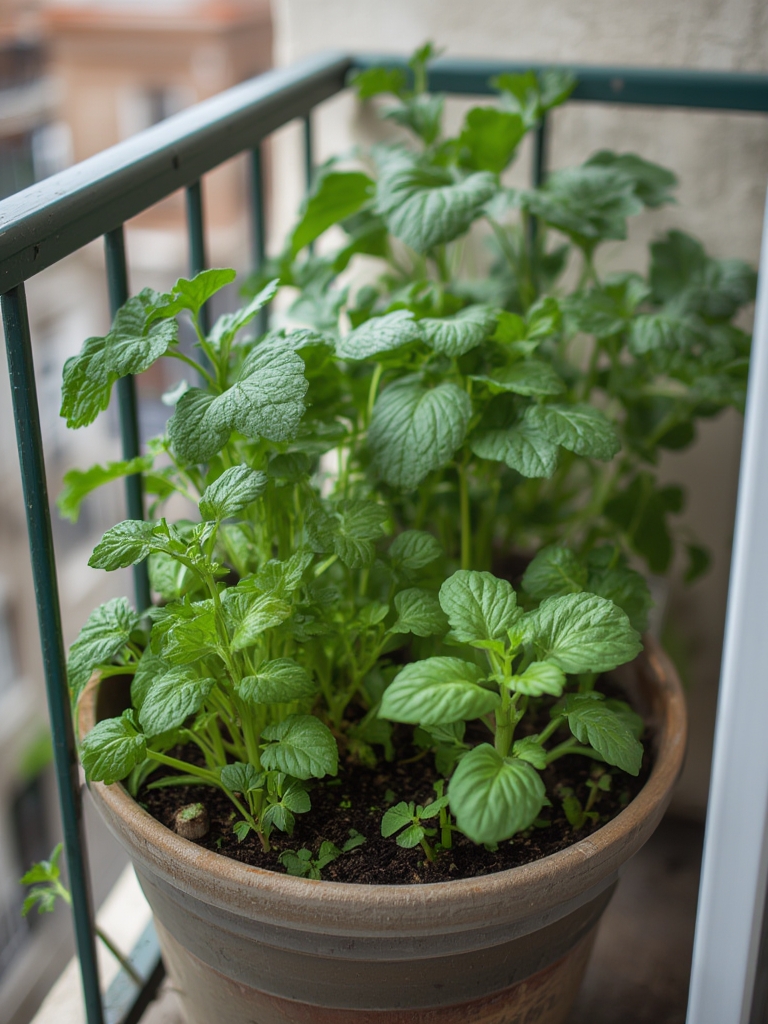
Maximizing Your Small Space: The Top 7 Vegetables to Grow on Any Balcony
Have you ever looked at your apartment balcony and wondered if you could transform it into a thriving vegetable garden? The answer is a resounding yes! Even the smallest outdoor space can become a productive mini-farm with the right approach. Grow Vegetables on Balcony gardening is not only possible but incredibly rewarding, offering fresh produce, stress relief, and a deeper connection to your food. Whether you’re a complete beginner or an experienced gardener adapting to urban living, this guide will walk you through the top vegetables perfect for balcony cultivation and everything you need to know to succeed.
Materials & Supplies
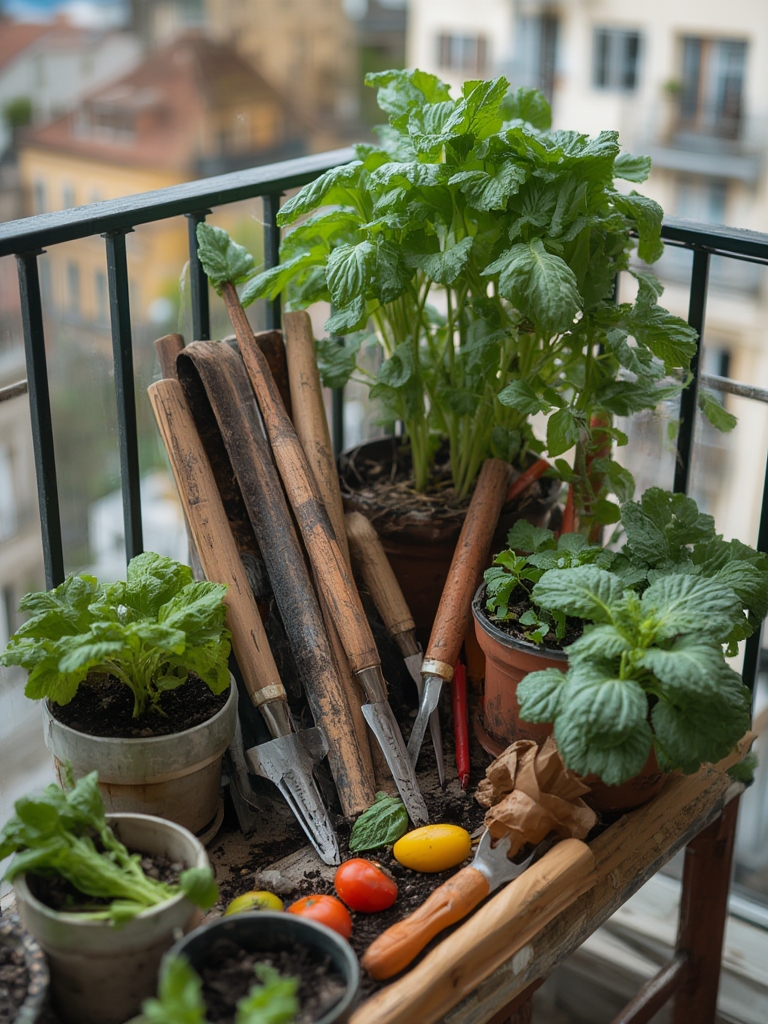
To start your balcony vegetable garden, you’ll need several essential materials:
Containers: Choose pots with drainage holes, ranging from 5-gallon containers for larger plants to smaller 1-2 gallon pots for herbs and greens. Fabric grow bags are an excellent lightweight alternative.
Quality Potting Mix: Never use garden soil. Opt for a well-draining, nutrient-rich potting mix specifically designed for Container gardening for small spaces.
Seeds or Seedlings: Purchase quality vegetable seeds or starter plants from reputable nurseries.
Fertilizer: Organic liquid fertilizer or slow-release granular fertilizer to replenish nutrients throughout the growing season.
Watering Tools: A watering can with a gentle spout or a hose attachment if available.
Optional Items: Plant stakes or small trellises for climbing vegetables, saucers to catch excess water, and gardening gloves for comfort.
Timing / Growing Schedule
The best time to start your balcony garden depends on your climate zone and the vegetables you choose. Cool-season crops like lettuce and spinach can be planted in early spring or fall, while warm-season vegetables such as tomatoes and peppers should be started after the last frost date.
Preparation typically takes 1-2 hours, including purchasing supplies and setting up containers. Most vegetables germinate within 5-14 days, with leafy greens ready to harvest in 30-45 days, while fruiting plants like tomatoes need 60-85 days from transplanting to first harvest.
Step-by-Step Instructions
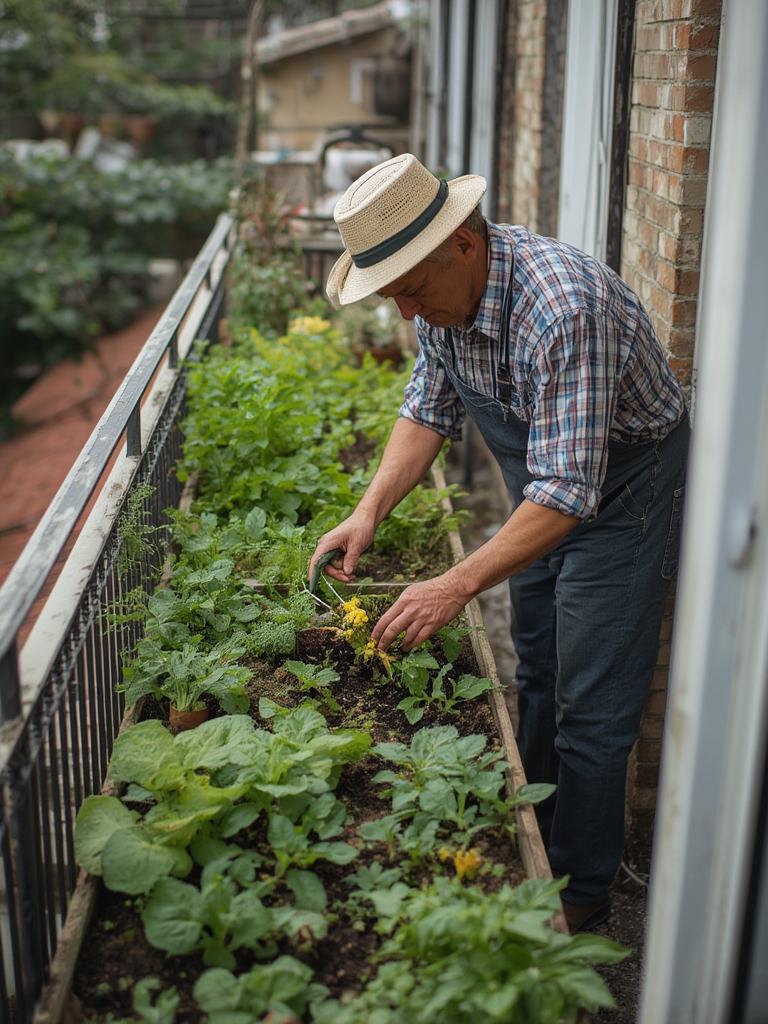
Step 1: Assess Your Balcony Conditions
Determine how many hours of direct sunlight your balcony receives daily. Six or more hours is ideal for most vegetables.
Step 2: Select Appropriate Vegetables
Choose from these top seven best balcony vegetables: cherry tomatoes (especially dwarf tomato varieties), lettuce, radishes, peppers, herbs (basil, parsley), spinach, and green beans.
Step 3: Prepare Containers
Fill containers with potting mix, leaving 1-2 inches from the rim. Moisten the soil before planting.
Step 4: Plant Seeds or Transplants
Follow seed packet instructions for depth and spacing. For transplants, gently remove from nursery pots and plant at the same depth.
Step 5: Water Thoroughly
Water until it drains from the bottom, then maintain consistent moisture without waterlogging.
Step 6: Fertilize Regularly
Begin feeding after 2-3 weeks with diluted liquid fertilizer every 1-2 weeks.
Nutritional Benefits / Advantages
Growing vegetables on your balcony provides exceptional nutritional value since you harvest at peak ripeness when vitamins and minerals are highest. Homegrown tomatoes contain up to 30% more vitamin C than store-bought varieties. Beyond nutrition, balcony gardening reduces your carbon footprint by eliminating transportation emissions, saves money on groceries, and provides therapeutic benefits that reduce stress and improve mental well-being.
Tips, Alternative Methods, or Gardening Advice
For urban gardening tips, consider vertical gardening using wall-mounted planters or hanging baskets to maximize space. Succession planting ensures continuous harvests—plant new lettuce seeds every two weeks.
In hot climates, position containers where they receive morning sun and afternoon shade. For windy balconies, secure pots and choose compact varieties. Indoor supplemental lighting extends the growing season in apartments with limited natural light.
Companion planting works in containers too—pair basil with tomatoes for improved flavor and pest deterrence.
Common Mistakes to Avoid
Overcrowding: Resist the urge to pack too many plants in one container. Follow spacing guidelines to ensure adequate air circulation.
Inadequate Drainage: Always use pots with drainage holes to prevent root rot, a leading cause of balcony garden failure.
Inconsistent Watering: Container plants dry out quickly. Check moisture daily and establish a consistent watering routine.
Wrong Vegetable Selection: Avoid large vegetables like pumpkins or sprawling varieties that require excessive space.
Neglecting Fertilization: Container soil depletes nutrients faster than ground soil. Regular feeding is essential.
Storage / Maintenance Tips
Harvest vegetables in the morning when moisture content is highest. Store leafy greens in the refrigerator wrapped in damp paper towels for up to one week. Tomatoes should be kept at room temperature for best flavor.
For ongoing maintenance, deadhead flowers on herbs to encourage leaf production, and prune tomato suckers for better fruit development. Rotate containers monthly for even sun exposure. Winterize your balcony garden by bringing sensitive plants indoors or protecting hardy varieties with frost covers.
Conclusion
Growing vegetables on your balcony transforms unused space into a productive, beautiful garden that nourishes both body and soul. With the right vegetables, proper containers, and consistent care, even the smallest balcony can yield impressive harvests. Start with one or two easy varieties like lettuce or cherry tomatoes, and expand as you gain confidence. We’d love to hear about your balcony gardening journey—share your experiences in the comments below or explore our related posts on container gardening techniques!
FAQs
Q: How much sunlight do balcony vegetables need?
Most vegetables require 6-8 hours of direct sunlight daily. Leafy greens and herbs can tolerate 4-6 hours, making them suitable for partially shaded balconies.
Q: Can I grow vegetables on a north-facing balcony?
While challenging, you can grow shade-tolerant vegetables like lettuce, spinach, arugula, and Asian greens on north-facing balconies. Supplement with grow lights if necessary.
Q: How often should I water balcony vegetables?
Container plants typically need watering once daily in summer, less frequently in cooler weather. Check soil moisture by inserting your finger one inch deep—water when dry.
Q: What size containers do I need for tomatoes?
Tomato plants need at least 5-gallon containers (12-14 inches diameter) for adequate root development. Dwarf varieties can manage in slightly smaller pots.
Q: Can balcony vegetables survive winter?
This depends on your climate zone and vegetable type. Cold-hardy varieties like kale and spinach can survive mild winters, while tender plants need indoor protection or should be replanted seasonally.