


Look Good, Taste Great: 7 Ornamental Plants You Can Actually Grow Indoors and Eat!
Have you ever wished your houseplants could do more than just look pretty? Imagine transforming your indoor garden into a beautiful, edible oasis where every leaf, flower, and stem serves a dual purpose. Growing Ornamental Edible Plants at home isn’t just a trend—it’s a smart, sustainable way to maximize your space while enjoying fresh, homegrown ingredients. Whether you’re tight on outdoor space or simply love the idea of harvesting dinner from your windowsill, these stunning plants prove you don’t have to choose between aesthetics and functionality. From vibrant citrus trees to exotic ginger rhizomes, let’s explore seven gorgeous plants that’ll make your home more beautiful and your meals more delicious.
Materials & Supplies
To successfully grow these dual-purpose beauties indoors, you’ll need:
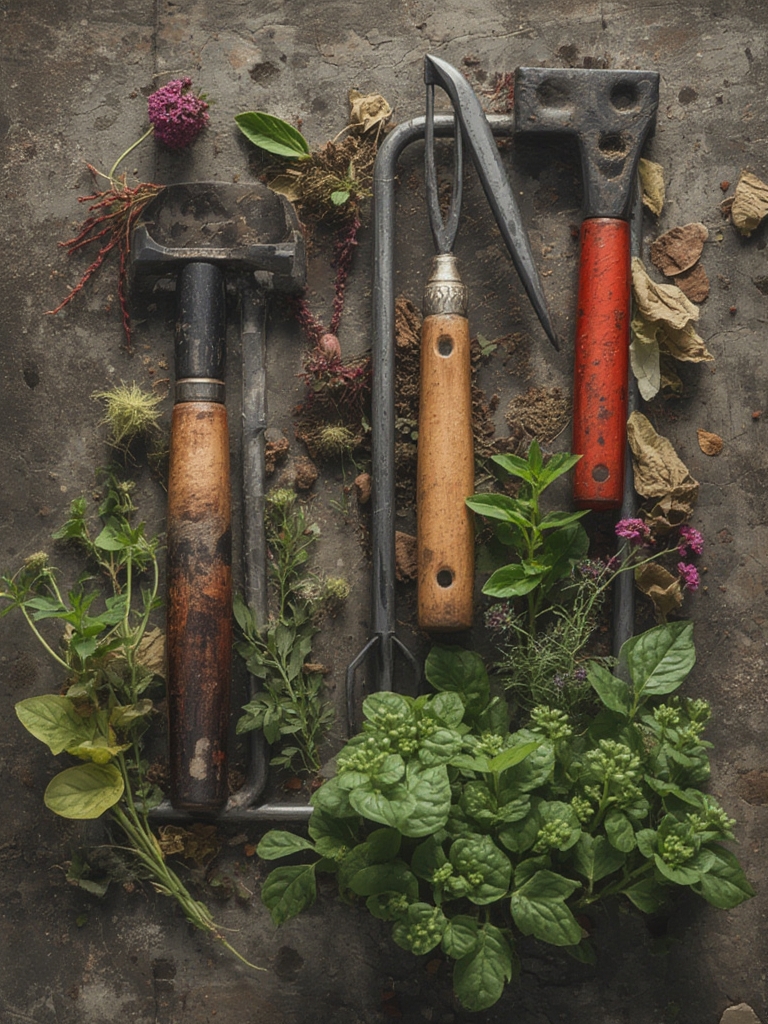
Essential Materials:
- Quality potting mix (well-draining, organic blend recommended)
- Containers with drainage holes (6-12 inches deep depending on plant)
- Organic fertilizer (balanced NPK or specialty citrus/herb formulas)
- Seeds or starter plants/rhizomes
- Watering can with narrow spout
- Plant labels for identification
- Grow lights (LED or fluorescent) if natural light is limited
Optional But Helpful:
- Humidity tray or room humidifier
- Soil moisture meter
- Pruning shears
- Decorative cache pots for enhanced aesthetics
- Compost or worm castings for nutrient boost
- Pebbles for drainage layer
Each item plays a crucial role in creating the ideal growing environment, especially when working with attractive edible plants that demand both visual appeal and productive growth.
Timing / Growing Schedule
Understanding your growing timeline helps set realistic expectations. Most dwarf citrus trees in containers take 2-3 years from planting to produce fruit, though they provide ornamental value immediately. Ginger and turmeric require 8-10 months from rhizome to harvest, with visible shoots appearing within 2-3 weeks. Leafy varieties like nasturtiums and pansies grow much faster—ready to harvest in just 6-8 weeks from seed.
Preparation time is minimal: 30 minutes to pot most plants. Active care requires 15-20 minutes weekly for watering, rotating, and checking health. Plan to grow ginger indoors starting in late winter for fall harvest, while citrus can be started anytime with proper indoor lighting.
Step-by-Step Instructions
Step 1: Choose Your Plants Wisely
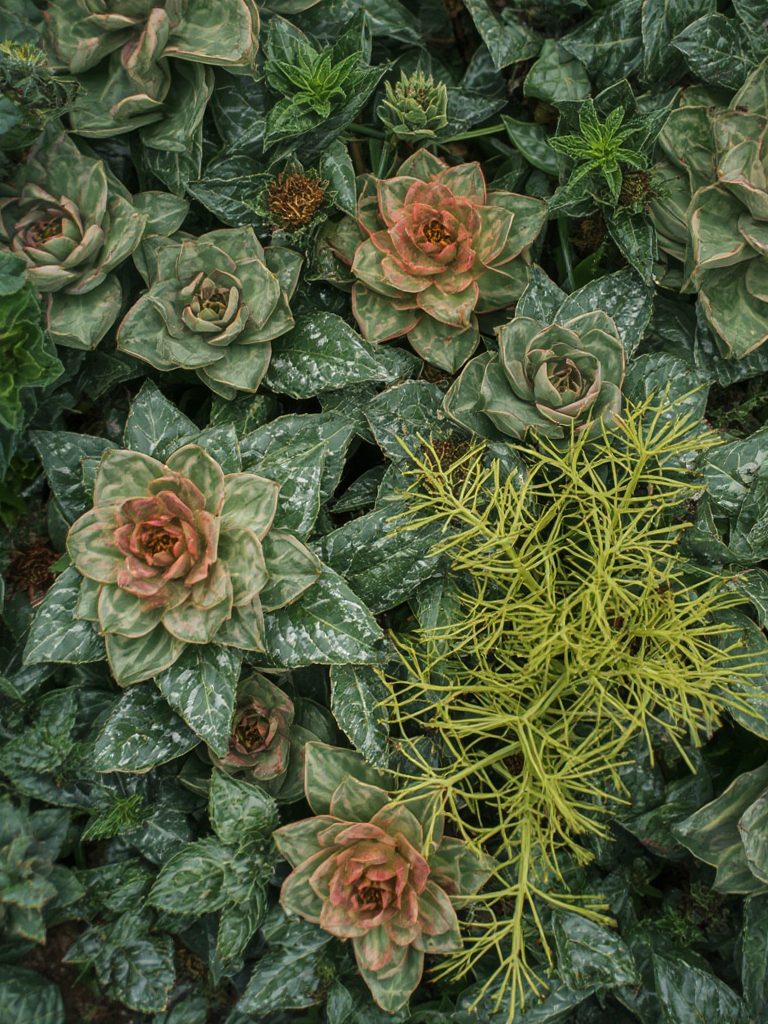
Select from these seven proven winners: dwarf Meyer lemon, kumquat, ginger, turmeric, nasturtium, pansies, and ornamental kale. Consider your available light and space before deciding.
Step 2: Prepare Containers Properly
Add a 1-inch pebble layer for drainage, then fill containers 3/4 full with quality potting mix. Ensure pots are appropriately sized—citrus needs 10-12 inches, while herbs thrive in 6-8 inch containers.
Step 3: Plant Correctly
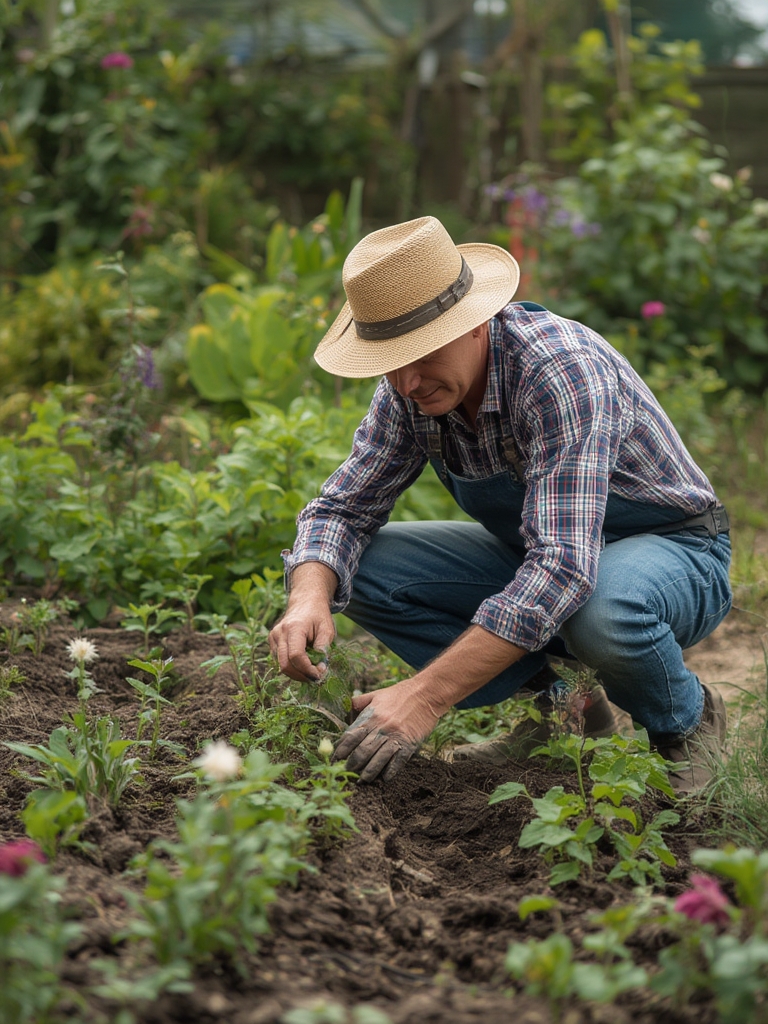
For rhizomes (ginger/turmeric), place horizontally 2 inches deep with buds facing up. Seeds should follow packet depth recommendations. Transplant starts at the same depth they were previously growing.
Step 4: Position for Success
Place near south-facing windows for 6-8 hours of bright, indirect light. Supplement with grow lights if needed, positioning them 6-12 inches above foliage.
Step 5: Water Strategically
Water when the top inch of soil feels dry. Citrus prefers slightly moist soil, while ginger likes more consistent moisture. Always use room-temperature water.
Step 6: Feed Regularly
Apply diluted liquid fertilizer every 2-4 weeks during active growth. When growing turmeric at home, increase feeding during the summer months for robust rhizome development.
Nutritional Benefits / Advantages
Beyond their stunning appearance, these plants pack serious nutritional value. Citrus fruits deliver vitamin C and antioxidants while brightening your décor. Ginger provides anti-inflammatory compounds and digestive support. Turmeric contains curcumin, celebrated for its powerful health benefits. Edible flowers like nasturtiums and pansies offer vitamin C, iron, and unique flavors that elevate any dish. Growing these plants indoors also improves air quality, reduces grocery bills, and eliminates pesticide exposure—a triple win for health-conscious gardeners.
Tips, Alternative Methods, or Gardening Advice
Container Variations: Use self-watering pots for vacation-proof growing or hanging baskets for trailing nasturtiums that maximize vertical space.
Climate Adjustments: In dry climates, mist plants daily or group containers together to increase humidity naturally. Cold regions should keep citrus away from drafty windows during winter.
Small Space Solutions: Utilize tiered plant stands or windowsill shelves to create vertical gardens. Dwarf varieties are specifically bred for compact spaces.
Organic Approach: Make compost tea for gentle, chemical-free fertilization. Introduce beneficial insects like ladybugs if aphids appear.
Common Mistakes to Avoid
Overwatering: The number one killer of indoor plants. Solution: Always check soil moisture before watering and ensure proper drainage.
Insufficient Light: Leads to leggy growth and poor production. Solution: Invest in quality grow lights or rotate plants to sunny locations.
Wrong Soil Type: Garden soil compacts in containers. Solution: Use only potting mix formulated for containers.
Neglecting Humidity: Many edibles need 40-60% humidity indoors. Solution: Use humidity trays or group plants together.
Impatience with Harvesting: Picking too early reduces flavor and plant health. Solution: Research specific harvest indicators for each variety.
Storage / Maintenance Tips
Harvest Storage: Store citrus fruits at room temperature for one week or refrigerate for up to three weeks. Ginger and turmeric rhizomes keep refrigerated in paper bags for several weeks or can be frozen for months.
Ongoing Care: Rotate containers weekly for even growth. Prune citrus lightly to maintain shape and encourage branching. Remove yellowing leaves promptly. Repot annually or when roots become crowded, ideally in spring. Reduce watering and fertilizing during winter dormancy periods. Watch for pests like spider mites and treat immediately with neem oil or insecticidal soap.
Conclusion
Growing ornamental edible plants indoors transforms your living space into a productive, beautiful sanctuary. These seven varieties prove that aesthetics and functionality can coexist perfectly in your home garden. Whether you’re harvesting fresh ginger for tea, plucking citrus for cocktails, or garnishing salads with colorful edible flowers, you’ll enjoy the satisfaction of homegrown ingredients year-round. Start with one or two plants to build confidence, then expand your edible indoor jungle. Share your growing journey in the comments below, and don’t forget to explore our other indoor gardening guides for more inspiration!
FAQs
Q: Can I really grow citrus trees indoors successfully?
A: Absolutely! Dwarf varieties like Meyer lemon and calamondin are specifically bred for container growing. They need 6-8 hours of bright light and consistent care but can produce fruit indoors for years.
Q: How long does it take to harvest ginger grown indoors?
A: Expect 8-10 months from planting rhizomes to harvest. You can harvest small amounts after 4 months, but waiting longer produces larger, more flavorful rhizomes.
Q: Are all parts of nasturtiums and pansies edible?
A: Yes! Flowers, leaves, and even seed pods of nasturtiums are edible with a peppery flavor. Pansy flowers are entirely edible and add mild, slightly sweet flavor to dishes.
Q: Do these plants require special fertilizers?
A: Not necessarily. A balanced organic fertilizer works for most. Citrus benefits from specialized citrus formulas with micronutrients, while ginger and turmeric prefer nitrogen-rich options during growth.
Q: Can I grow these plants year-round indoors?
A: Yes, with proper lighting and temperature control. Most thrive in typical indoor temperatures (65-75°F). Some may slow growth during winter but will resume actively in spring.