


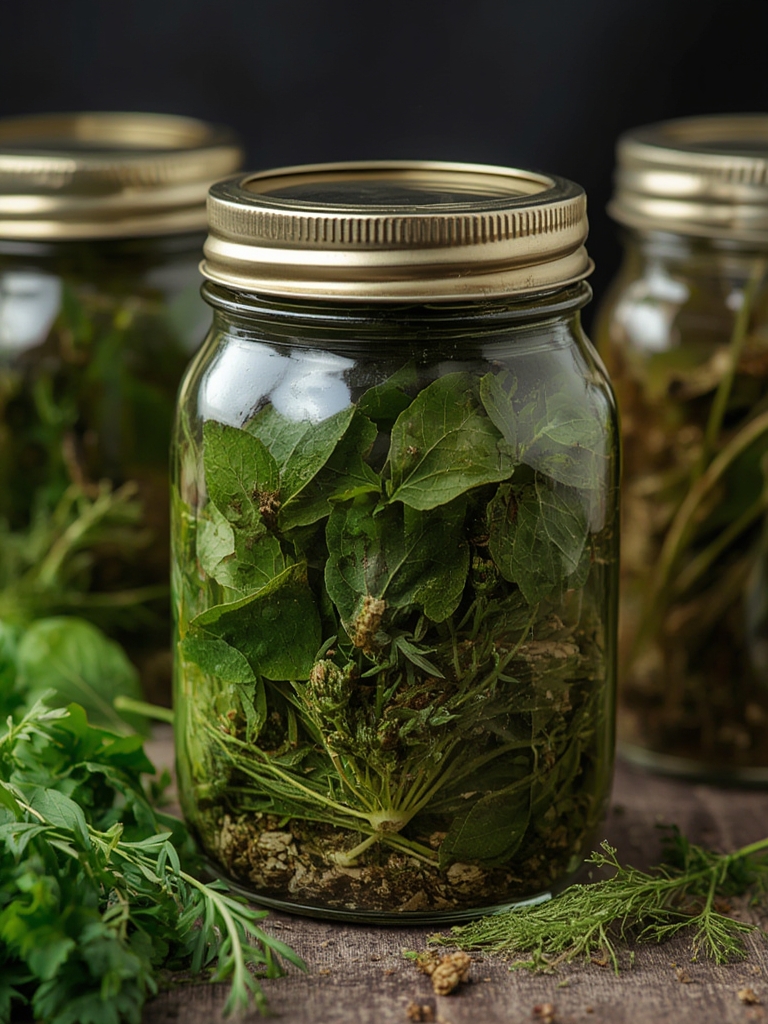
Harvesting & Beyond: 3 Genius Ways to Preserve Your Homegrown Herbs for Winter
Have you ever watched your beautiful herb garden flourish in summer, only to face the heartbreak of wasting excess harvest or losing those fresh flavors come winter? You’re not alone. Many home gardeners struggle with keeping their homegrown herbs usable beyond the growing season. The good news is that Preserve Homegrown Herbs doesn’t require professional equipment or complicated techniques. With the right methods, you can enjoy the taste of summer basil, rosemary, and thyme all year long while maximizing your garden’s productivity and reducing food waste.
Materials & Supplies
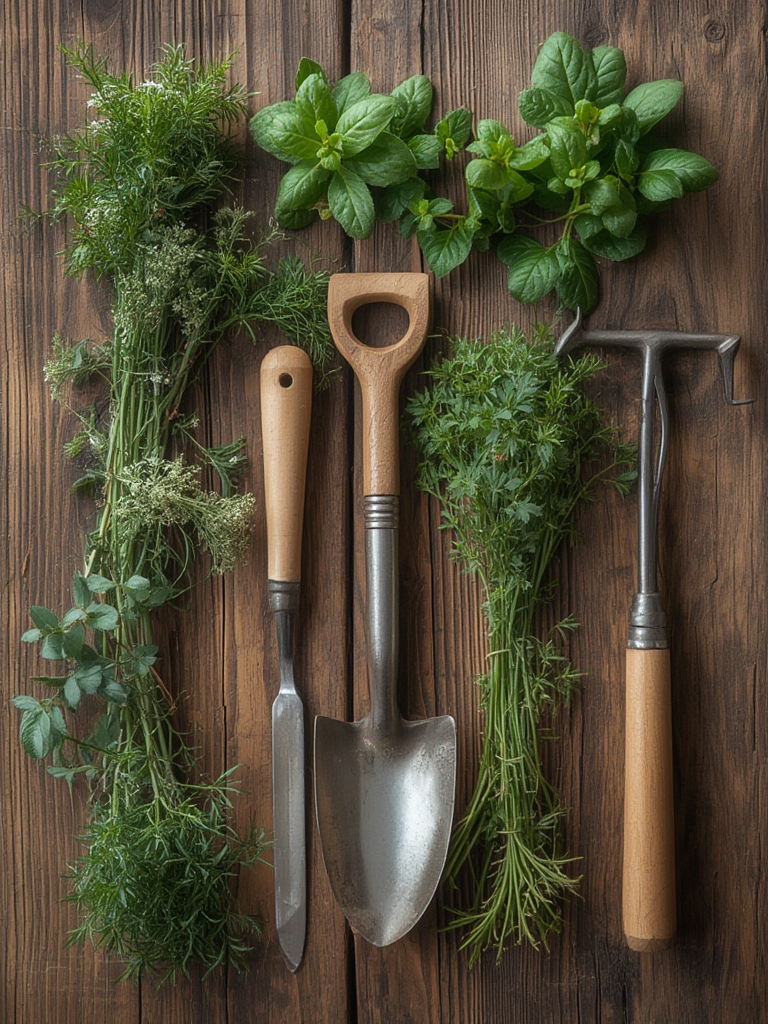
To successfully preserve your homegrown herbs using these three genius methods, you’ll need the following materials:
For Freezing Method:
- Ice cube trays or silicone molds
- Extra virgin olive oil or melted butter
- Scissors or herb shears
- Airtight freezer bags or containers
- Permanent marker for labeling
For Drying Method:
- Kitchen twine or rubber bands
- Paper bags (optional, for dusty environments)
- Dehydrator (optional alternative)
- Glass jars with tight-fitting lids
- Baking sheets and parchment paper
For Fresh Storage Method:
- Clean glass jars or containers
- Paper towels
- Plastic wrap or breathable produce bags
- Refrigerator space
Universal Items:
- Fresh, healthy herbs from your garden
- Clean water for washing
- Salad spinner or clean kitchen towels
- Labels and dates for organization
Timing / Growing Schedule
Herb preservation timing depends on your growing zone and herb variety. Most herbs reach peak flavor just before flowering, typically 6-8 weeks after planting for fast-growing varieties like basil and cilantro, and 10-12 weeks for perennials like rosemary and thyme.
Best Harvest Time: Early morning after dew dries (around 8-10 AM) when essential oils are most concentrated.
Preservation Timing: Immediate preservation within 2-3 hours of harvest yields the best flavor retention. Each preservation method takes 15-30 minutes of active prep time, with drying requiring 1-2 weeks of passive time.
Step-by-Step Instructions
Method 1: Freezing herbs in olive oil
- Harvest and wash your herbs thoroughly, then pat completely dry using a salad spinner or towels.
- Chop herbs finely and fill ice cube tray compartments about 2/3 full.
- Pour olive oil over herbs until completely covered.
- Freeze for 24 hours, then pop out cubes and store in labeled freezer bags.
- Use directly in cooking—no thawing needed!
Pro Tip: Combine complementary herbs like rosemary and thyme in single cubes for ready-made flavor combinations.
Method 2: DIY dried herbs
- Bundle 5-7 stems together with twine, leaving long enough to hang.
- Hang upside down in a warm, dark, well-ventilated area away from direct sunlight.
- Check after one week—herbs should crumble easily when fully dried.
- Strip leaves from stems and store in airtight glass jars.
- Label with date—dried herbs maintain best quality for 6-12 months.
Pro Tip: Place bundles in paper bags with holes punched for ventilation to protect from dust while allowing airflow.
Method 3: How to store fresh basil (and tender herbs)
- Trim stem ends at an angle, like cutting flowers.
- Place stems in a glass jar with 1-2 inches of water.
- Cover loosely with a plastic bag to create humidity.
- Store at room temperature for basil; refrigerate for parsley and cilantro.
- Change water every 2-3 days for maximum freshness (up to 2 weeks).
Nutritional Benefits / Advantages
Growing and preserving your own herbs delivers impressive benefits beyond flavor. Fresh herbs contain higher concentrations of antioxidants, vitamins A, C, and K, and essential minerals compared to store-bought dried versions. Preservation methods like freezing retain up to 80% of nutrients, while proper drying maintains 50-60%.
Home preservation eliminates commercial additives and reduces plastic packaging waste. You’ll also save money—a single $3 basil plant can yield 20+ preservation servings worth $40-60 at grocery store prices. The satisfaction of self-sufficiency and knowing exactly what’s in your food adds invaluable peace of mind.
Tips, Alternative Methods, or Gardening Advice
Container Gardening: Grow herbs in 6-8 inch pots on sunny windowsills year-round for continuous harvesting.
Succession Planting: Plant new herb crops every 3-4 weeks during growing season for continuous supply.
Simple herb preservation Variations:
- Make herb butter logs wrapped in parchment for easy slicing
- Create herb vinegars by steeping fresh herbs in white vinegar for 2-3 weeks
- Blend herbs with salt for flavored finishing salts
Climate Considerations: In frost-free zones, many perennial herbs grow year-round, reducing preservation needs. Cold climate gardeners should focus on preserving tender annuals while overwintering hardy perennials indoors.
Common Mistakes to Avoid
Harvesting wet herbs: Moisture causes mold and spoilage. Always harvest after morning dew evaporates and ensure herbs are completely dry before preservation.
Over-packing containers: Herbs need air circulation when drying and space when freezing to prevent clumping.
Using old or damaged herbs: Only preserve healthy, vibrant herbs at peak flavor—preservation won’t improve poor quality.
Skipping labels: Without dates and variety names, you’ll forget what’s what within weeks. Always label immediately.
Exposing dried herbs to light: Store dried herbs in dark cupboards or opaque containers—light degrades essential oils rapidly.
Storage / Maintenance Tips
Frozen herb cubes: Store up to 6 months in freezer at 0°F or below. Use directly in soups, sauces, and sautés.
Dried herbs: Keep in airtight glass jars in cool, dark cupboards. Check monthly for moisture—if present, re-dry immediately.
Fresh refrigerated herbs: Change water every 2-3 days, remove yellowing leaves promptly, and use within 10-14 days.
Ongoing garden care: Regular harvesting encourages bushier growth. Prune herbs before flowering to maintain leaf production. Water deeply but infrequently to concentrate flavors.
Conclusion
Learning to Preserve Homegrown Herbs transforms your gardening experience from seasonal to year-round enjoyment. These three genius methods—freezing in oil, drying, and fresh storage—each offer unique advantages that suit different herbs and cooking styles. By implementing these simple techniques, you’ll reduce waste, save money, and elevate your home cooking with garden-fresh flavors even during winter’s coldest months.
Ready to start preserving? Harvest some herbs today and try one method this week. Share your preservation successes and favorite herb combinations in the comments below, and explore our related posts on extending your growing season and building a year-round kitchen garden!
FAQs
Q: Which herbs freeze best in olive oil?
A: Woody herbs like rosemary, thyme, sage, and oregano freeze exceptionally well in oil. Soft herbs like basil, parsley, and cilantro also work but may darken slightly while retaining full flavor.
Q: How long do dried homegrown herbs maintain their potency?
A: Properly dried and stored herbs retain optimal flavor for 6-12 months. After one year, they’re still safe but may require larger quantities for the same flavor impact.
Q: Can I preserve herbs that have already flowered?
A: Yes, but flavor will be diminished. Flowering redirects plant energy from leaf production, reducing essential oil concentration. Harvest before flowering for best results.
Q: What’s the best preservation method for basil to prevent browning?
A: Blanch basil leaves in boiling water for 2 seconds, then plunge in ice water before freezing in oil. This preserves the vibrant green color while maintaining flavor.
Q: Do preserved herbs have the same nutritional value as fresh?
A: Freezing retains 70-80% of nutrients, while drying preserves 50-60%. Both methods maintain beneficial compounds far better than store-bought dried herbs that may be months or years old.