


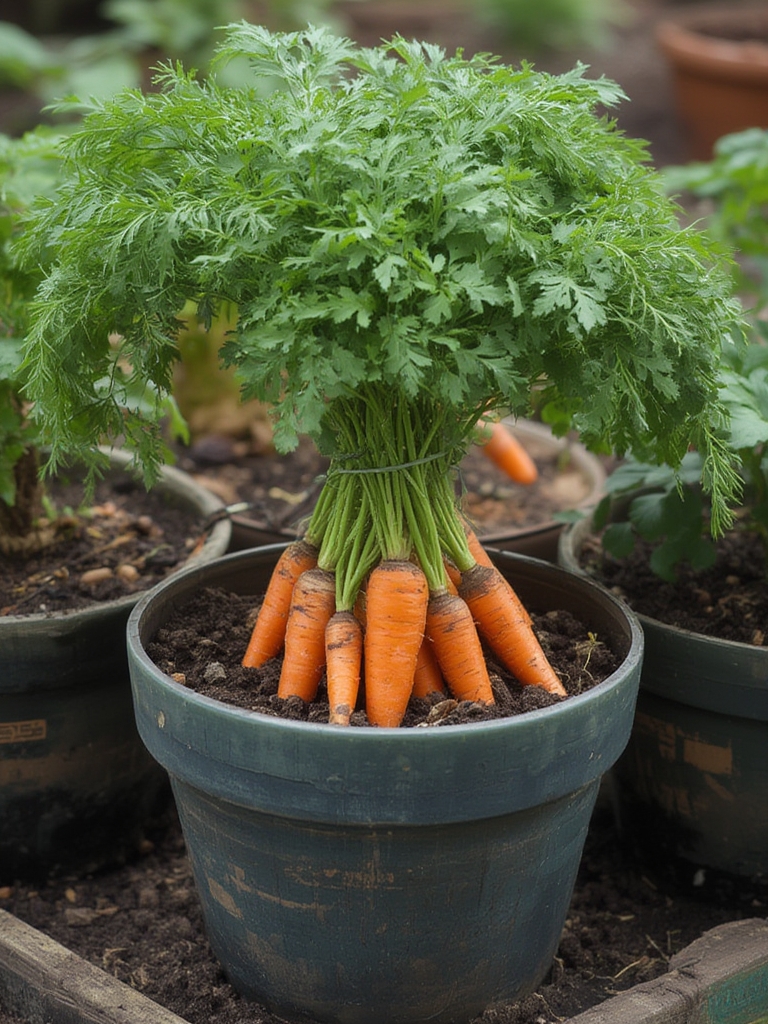
Deep Roots, Small Space: How to Successfully Grow Carrots, Radishes, and Beets in Pots
Have you ever thought that growing root vegetables was impossible without a sprawling backyard garden? Think again. Growing Carrots in Containers is not only possible but surprisingly rewarding for urban gardeners and anyone with limited outdoor space. Root vegetables like carrots, radishes, and beets thrive in pots when given the right conditions, offering fresh, organic produce right from your balcony or patio. This guide will walk you through everything you need to know to cultivate these nutritious vegetables in containers, transforming even the smallest space into a productive garden.
Materials & Supplies
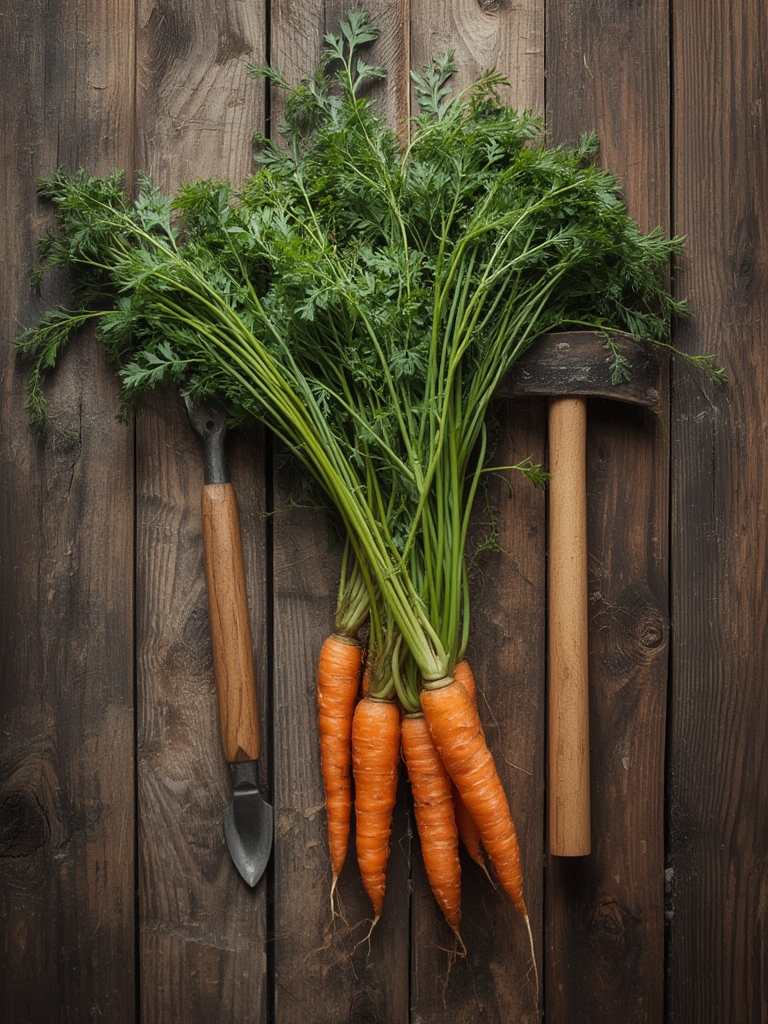
To successfully grow root vegetables in containers, you’ll need the following materials:
Essential Items:
- Deep containers (12-18 inches deep for carrots and beets, 6-8 inches for radishes)
- High-quality potting mix (loose, well-draining soil specifically formulated for containers)
- Vegetable seeds (carrot, radish, and beet varieties suitable for container growing)
- Organic compost (to enrich soil nutrients)
- Liquid fertilizer (balanced NPK or organic fish emulsion)
- Watering can or drip irrigation system
- Garden trowel and hand fork
Optional Items:
- Vermiculite or perlite (improves drainage and aeration)
- Mulch (helps retain moisture)
- Plant labels (to track different varieties)
- Grow lights (for indoor or low-light situations)
Understanding container soil depth is crucial—carrots need at least 12 inches to develop straight, full-sized roots, while radishes are more forgiving with shallower containers.
Timing / Growing Schedule
Preparation Time: 30-45 minutes for container setup and planting
Growth Period:
- Radishes: 25-30 days from seed to harvest (fastest-growing option)
- Carrots: 60-80 days depending on variety
- Beets: 50-70 days for optimal size
Best Planting Times:
- Spring planting: 2-3 weeks before last frost
- Fall planting: 8-10 weeks before first expected frost
- Succession planting every 2-3 weeks ensures continuous harvest
Root vegetables prefer cooler temperatures, making them ideal for spring and fall container gardening. In mild climates, winter growing is also possible.
Step-by-Step Instructions
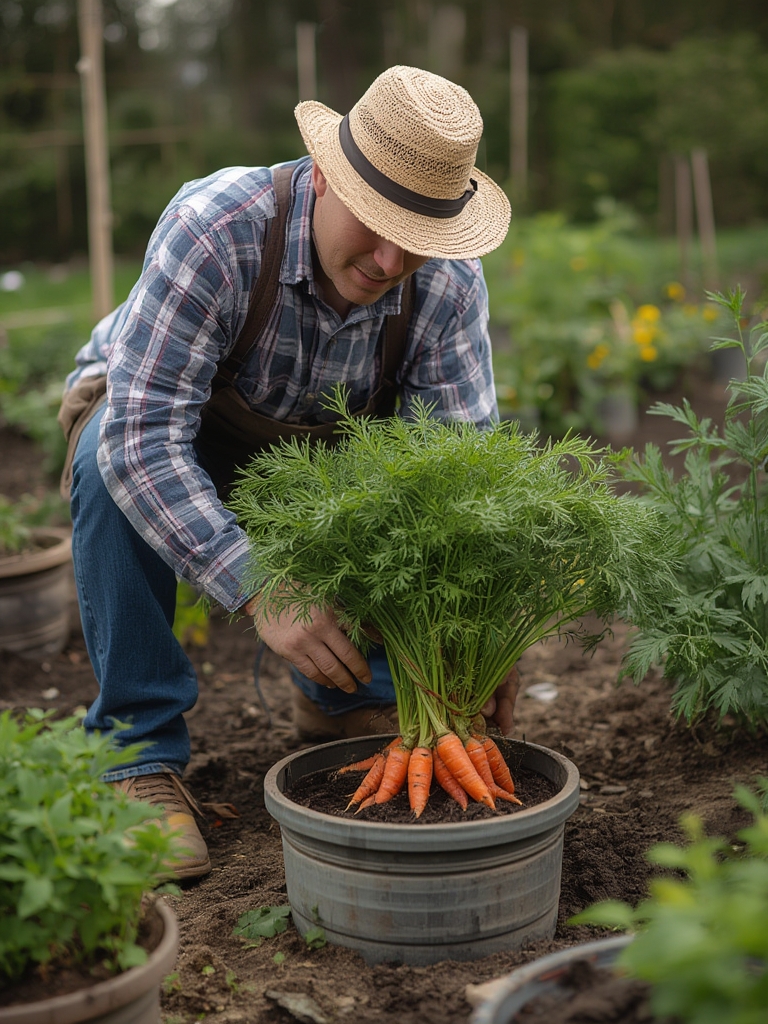
Step 1: Select Appropriate Containers
Choose pots with adequate drainage holes. For carrots, select containers at least 12 inches deep; shorter varieties like ‘Thumbelina’ work in 8-inch pots. Radishes need minimal depth (6 inches), while beets prefer 10-12 inches.
Step 2: Prepare Quality Soil Mix
Fill containers with a loose, lightweight potting mix. Avoid garden soil, which compacts and restricts root development. Mix in 20-30% compost for nutrients and ensure excellent drainage by adding perlite if needed.
Step 3: Sow Seeds Properly
Sprinkle seeds thinly across the soil surface, then cover with ¼ inch of soil. Water gently to avoid displacing seeds. Space matters—overcrowding leads to stunted roots.
Step 4: Thin Seedlings Strategically
Once seedlings reach 2 inches tall, thin carrots to 2-3 inches apart, radishes to 2 inches, and beets to 3-4 inches. This prevents competition and allows proper root formation.
Step 5: Maintain Consistent Moisture
Keep soil evenly moist but not waterlogged. Inconsistent watering causes cracking and splitting. Container plants dry faster than ground gardens, so check daily during hot weather.
Step 6: Fertilize Appropriately
Apply diluted liquid fertilizer every 2-3 weeks. Avoid high-nitrogen fertilizers that promote leafy growth over root development.
Nutritional Benefits / Advantages
Growing root vegetables in containers provides exceptional nutritional rewards. Carrots are rich in beta-carotene, supporting eye health and immune function. Beets contain nitrates that improve cardiovascular health and athletic performance. Radishes offer vitamin C and compounds that support liver function. Container-grown vegetables are fresher than store-bought options, retain more nutrients, and are free from pesticides when grown organically. Additionally, growing potatoes in bags and other root crops reduces your carbon footprint by eliminating transportation emissions.
Tips, Alternative Methods, or Gardening Advice
Container Selection: Fabric grow bags work excellently for root vegetables, providing superior drainage and air pruning of roots. For those exploring Best deep containers for vegetables, consider self-watering planters for consistent moisture.
Variety Selection: Choose short or round carrot varieties like ‘Paris Market’ or ‘Short ‘n Sweet’ for containers. ‘Easter Egg’ radishes add color variety.
Indoor Growing: Place containers near south-facing windows or use grow lights providing 12-14 hours of light daily.
Companion Planting: Combine shallow root vegetables for pots like lettuce or herbs around the edges of deeper containers to maximize space.
Climate Adaptations: In hot climates, provide afternoon shade. In cold regions, move containers to sheltered locations or use frost protection.
Common Mistakes to Avoid
Over-watering: This causes root rot and splitting. Ensure containers have drainage holes and water when the top inch of soil feels dry.
Using Compacted Soil: Heavy soil prevents proper root development. Always use lightweight potting mix designed for containers.
Planting Too Deep: Seeds buried too deeply struggle to germinate. Follow seed packet depth recommendations precisely.
Neglecting Thinning: Crowded seedlings produce deformed, stunted roots. Thin ruthlessly for better harvests.
High Nitrogen Fertilizers: These promote leaf growth at the expense of roots. Use balanced or root-focused fertilizers.
Ignoring Container Depth: Insufficient depth limits root development. Match container size to vegetable requirements.
Storage / Maintenance Tips
Harvesting: Pull radishes when roots reach desired size. Harvest carrots and beets when shoulders appear at soil level. Gently loosen soil before pulling to avoid breaking roots.
Storage: Remove greens immediately to prevent moisture loss. Store unwashed carrots and beets in perforated plastic bags in the refrigerator crisper for 2-4 weeks. Radishes keep for 1-2 weeks.
Ongoing Care: Refresh soil between plantings by removing old roots and adding fresh compost. Clean containers thoroughly before replanting to prevent disease carryover.
Seasonal Maintenance: In freezing climates, bring containers indoors or protect with insulation during winter. During summer, move containers to cooler locations and increase watering frequency.
Conclusion
Growing carrots, radishes, and beets in containers transforms limited space into productive vegetable gardens. With proper container selection, quality soil, and consistent care, anyone can enjoy fresh, homegrown root vegetables regardless of garden size. The satisfaction of pulling crisp, sweet carrots from a container on your balcony rivals any traditional garden experience. Start small, experiment with different varieties, and watch your container garden flourish. Share your container gardening successes with fellow gardeners and explore our related posts on maximizing small-space vegetable production.
FAQs
Q1: Can I grow carrots in shallow containers?
Yes, but choose short varieties like ‘Thumbelina’ or ‘Paris Market’ that develop in 6-8 inches of depth. Standard carrots require 12+ inches for proper development.
Q2: Why are my container-grown carrots forked or twisted?
Forking results from obstacles in the soil such as rocks, compacted areas, or debris. Use fine, loose potting mix and avoid garden soil to prevent this issue.
Q3: How often should I water root vegetables in containers?
Check daily and water when the top inch of soil feels dry. Container plants typically need watering every 1-2 days in warm weather, less frequently in cool conditions.
Q4: Can I reuse container soil for successive plantings?
Yes, but refresh it by removing old roots, mixing in fresh compost, and checking for proper drainage. Replace soil completely every 2-3 seasons to prevent nutrient depletion and disease buildup.
Q5: What’s the best container material for growing root vegetables?
Fabric grow bags, terracotta, and plastic containers all work well. Fabric bags provide excellent drainage and air circulation, while plastic retains moisture better in hot climates. Avoid metal containers that heat up excessively.