


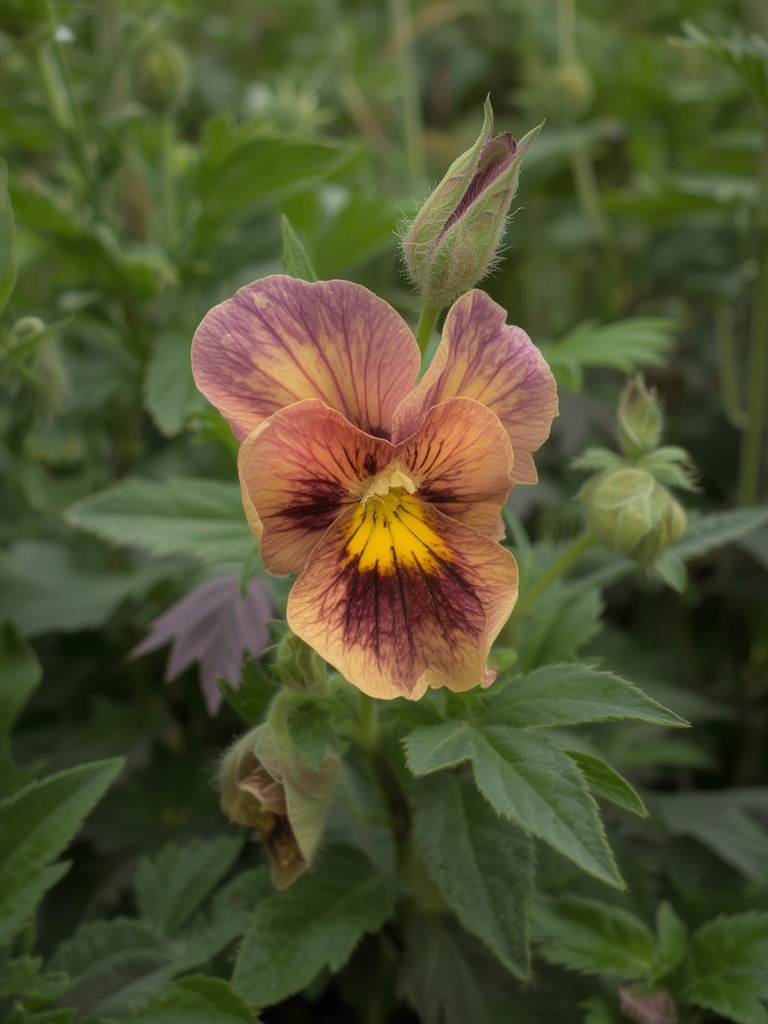
Beyond the Salad: 5 Easy Edible Flowers to Grow and How to Use Them Safely
Have you ever thought about adding a splash of color and flavor to your meals with flowers from your own garden? Growing Edible Flowers is an exciting way to elevate your culinary creations while enjoying the therapeutic benefits of gardening. These beautiful blooms aren’t just for decoration—they’re packed with flavor, nutrients, and visual appeal. Whether you’re a beginner gardener or an experienced green thumb, edible flowers are surprisingly easy to cultivate and can transform ordinary dishes into extraordinary experiences. Let’s explore five beginner-friendly edible flowers and discover how to grow and use them safely.
Materials & Supplies
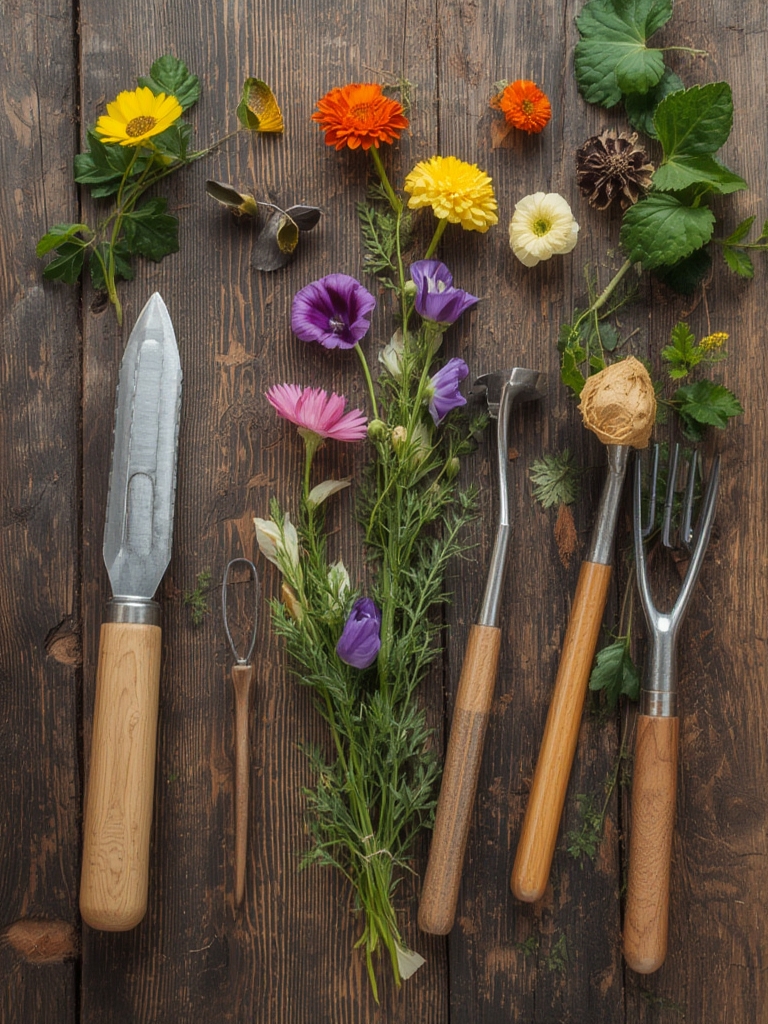
To successfully grow your edible flower garden, you’ll need:
- Seeds or seedlings of edible flowers (nasturtiums, pansies, calendula, violas, or borage)
- Quality potting soil or garden soil enriched with organic compost
- Containers or pots with drainage holes (6-12 inches deep)
- Watering can or hose with a gentle spray nozzle
- Organic fertilizer (optional but recommended for continuous blooming)
- Garden markers to label your plants
- Pruning shears for harvesting
- Mulch to retain moisture and suppress weeds
Optional items include grow lights for indoor cultivation, raised bed frames for outdoor gardens, and organic pest control solutions like neem oil.
Timing / Growing Schedule
Most edible flowers have a quick turnaround from seed to harvest. Preparation time is minimal—about 30 minutes to set up containers and plant seeds. Germination typically occurs within 7-14 days, depending on the variety. Most edible flowers reach maturity in 6-8 weeks, with continuous blooming throughout the growing season.
Spring is ideal for starting most varieties, though cool-season flowers like pansies can be planted in early fall. Expect your first harvest within two months, with ongoing production if you deadhead spent blooms regularly.
Step-by-Step Instructions
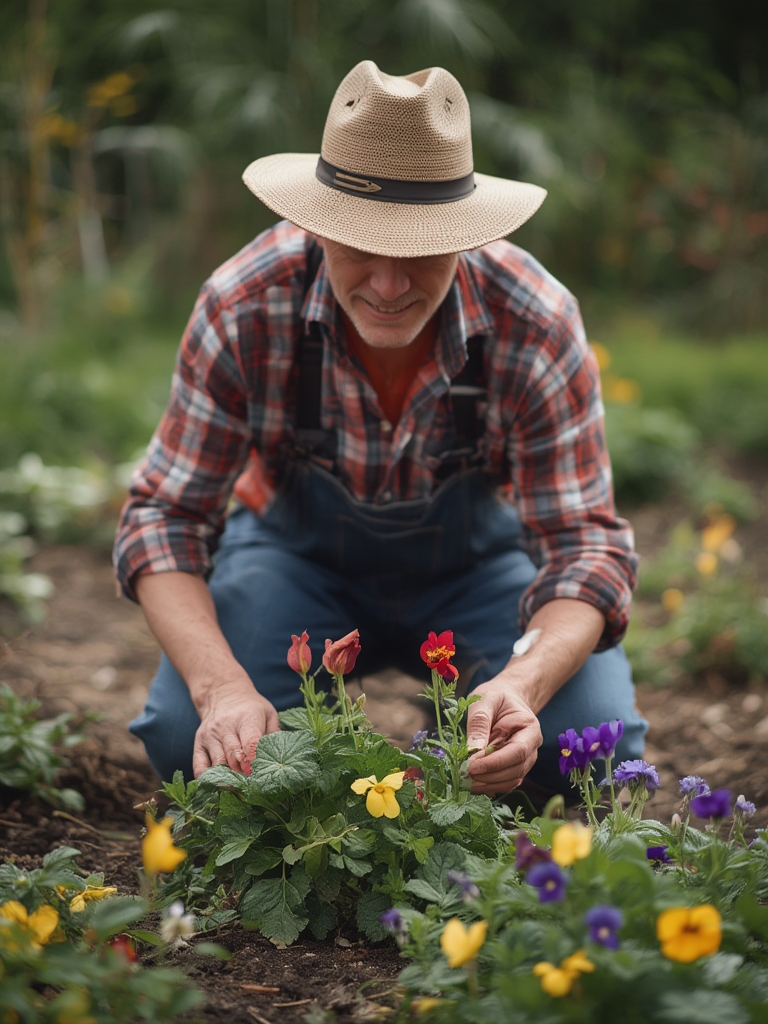
Step 1: Choose a location with 4-6 hours of sunlight daily. Some varieties like violas tolerate partial shade.
Step 2: Fill containers with quality potting soil, leaving about an inch from the rim. Ensure proper drainage to prevent root rot.
Step 3: Plant seeds according to packet instructions—generally ¼ inch deep. Space seeds 6-8 inches apart for proper air circulation.
Step 4: Water gently but thoroughly, keeping soil consistently moist but not waterlogged. A spray bottle works well for delicate seedlings.
Step 5: Once seedlings develop true leaves, thin them to the strongest plants, maintaining recommended spacing.
Step 6: Apply organic fertilizer every 2-3 weeks to encourage continuous blooming. This is especially important for how to grow nasturtiums, which benefit from moderate feeding.
Step 7: Harvest flowers in the morning after dew has dried but before the day’s heat. Pick blooms that are fully open and vibrant.
Nutritional Benefits / Advantages
Edible flowers offer more than aesthetic appeal. Nasturtiums contain high levels of vitamin C and have natural antibacterial properties. Calendula flowers possess anti-inflammatory compounds, while pansies provide antioxidants. Violas contribute trace minerals, and borage flowers offer gamma-linolenic acid, beneficial for skin health.
Beyond nutrition, growing a garnish garden reduces grocery costs, eliminates pesticide exposure, and provides a sustainable source of natural food coloring and flavoring. These flowers also attract pollinators, supporting local ecosystems.
Tips, Alternative Methods, or Gardening Advice
For small spaces, vertical planters or hanging baskets work wonderfully with trailing nasturtiums. Indoor cultivation is possible with adequate sunlight or grow lights—place containers near south-facing windows.
Container gardening allows flexibility in moving plants to optimal conditions. Use organic methods exclusively, as pesticides make flowers unsafe for consumption. Consider companion planting: nasturtiums deter aphids when planted near vegetables.
In hot climates, provide afternoon shade to prevent wilting. Cold-region gardeners should focus on cold-hardy varieties like pansies and violas, which tolerate light frost.
Common Mistakes to Avoid
Mistake 1: Using chemically treated seeds or plants. Always purchase certified organic or untreated seeds specifically labeled for consumption.
Mistake 2: Overwatering, which causes root rot and fungal diseases. Allow the top inch of soil to dry between waterings.
Mistake 3: Harvesting incorrectly. Remove only petals from flowers with bitter centers, and always wash blooms gently before using.
Mistake 4: Ignoring the safe edible flowers list. Not all flowers are edible—verify before consuming any bloom.
Storage / Maintenance Tips
Harvest flowers frequently to encourage new blooms. Store fresh-picked flowers between damp paper towels in the refrigerator for up to one week. For longer preservation, freeze flowers in ice cubes for beverages or dry them for teas.
Ongoing care includes deadheading spent blooms weekly, checking for pests like aphids, and applying mulch to retain moisture. Feed plants monthly during peak growing season. In autumn, collect seeds from mature flowers for next year’s planting.
Conclusion
Growing Edible Flowers is a rewarding endeavor that combines beauty, flavor, and nutrition. These five easy flowers to grow and eat—nasturtiums, pansies, calendula, violas, and borage—offer endless culinary possibilities while requiring minimal maintenance. Start your edible flower garden today and discover how these vibrant blooms can transform your cooking. Share your experiences in the comments below, and explore our related posts on herb gardening and edible landscaping!
FAQs
Q: Are all flowers safe to eat?
No, many flowers are toxic. Always consult a verified safe edible flowers list and avoid flowers from florists, which are often treated with chemicals.
Q: How do I know when edible flowers are ready to harvest?
Harvest when flowers are fully open, brightly colored, and free from blemishes. Morning harvesting provides the best flavor and freshness.
Q: Can I grow edible flowers indoors year-round?
Yes, with adequate light (6+ hours or grow lights), proper drainage, and consistent temperatures between 60-70°F, many varieties thrive indoors.
Q: What’s the best way to use edible flowers in cooking?
Add them fresh to salads, freeze in ice cubes, crystallize with sugar for desserts, infuse in oils or vinegars, or use as elegant garnishes.
Q: Do edible flowers attract pests?
Some varieties attract beneficial insects while deterring harmful ones. Use organic pest management methods to protect flowers intended for consumption.