


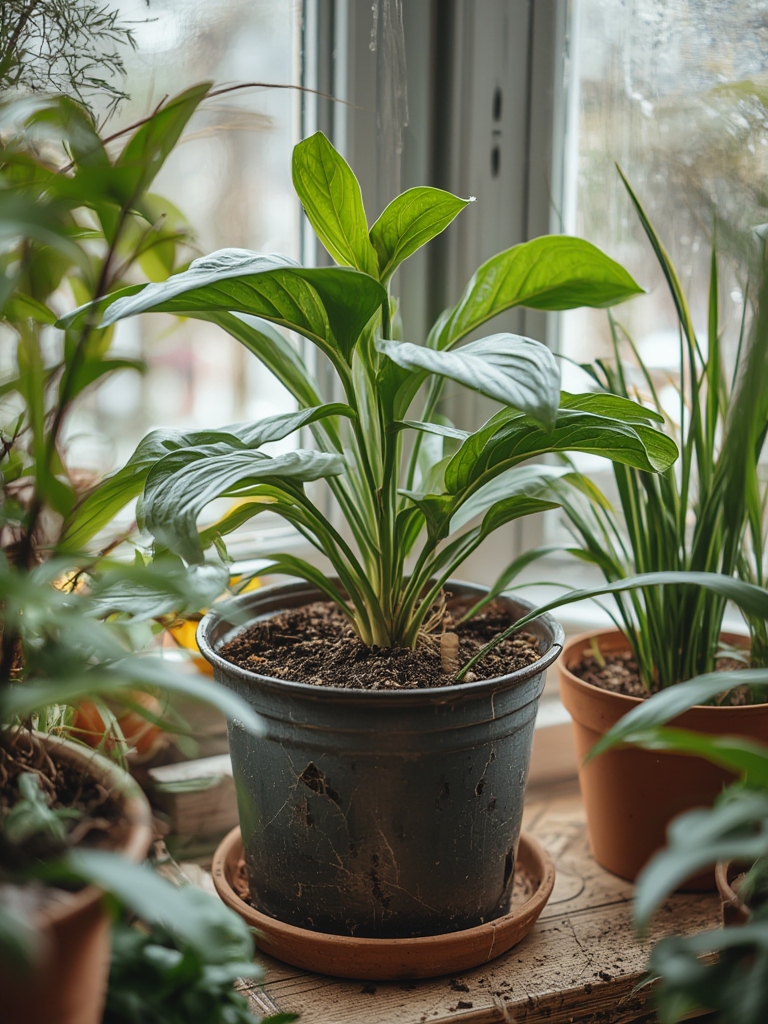
Beat the Winter Blues: A Month-by-Month Guide to Indoor Seed Starting for a Spring Harvest
Winter doesn’t have to mean the end of your gardening adventures. Have you ever wondered how to keep your green thumb active during the coldest months while preparing for a bountiful spring harvest? What to Plant Indoors in Winter is a question every passionate gardener asks when the snow starts falling. Starting seeds indoors during winter not only gives you a head start on the growing season but also fills your home with life and greenery when the outdoor landscape looks bleak. This comprehensive guide will walk you through everything you need to know about transforming your windowsill into a productive nursery.
Materials & Supplies
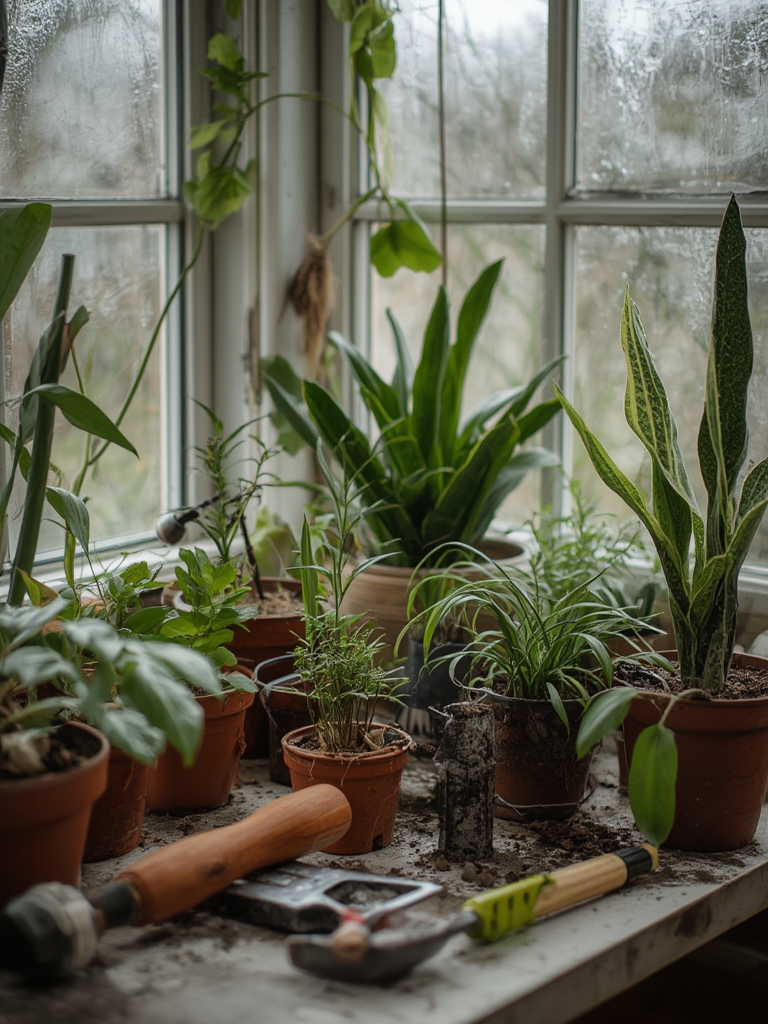
To successfully start your winter indoor gardening schedule, you’ll need the right tools and materials:
Essential Items:
- Seed starting trays or cell packs with drainage holes
- High-quality seed starting mix (sterile and fine-textured)
- Seeds suitable for indoor starting (tomatoes, peppers, herbs, lettuce)
- Plant labels and waterproof markers
- Spray bottle or gentle watering can
- Grow lights or LED shop lights (if natural light is insufficient)
- Heating mat for bottom warmth (optional but recommended)
- Clear plastic dome or plastic wrap for humidity retention
Optional Alternatives:
- Recycled containers like egg cartons or yogurt cups (ensure drainage)
- DIY light setup using affordable LED bulbs
- Organic potting soil mixed with perlite or vermiculite
- Liquid fertilizer (half-strength seedling formula)
Each item plays a crucial role in creating the optimal environment for germination and early growth during the challenging winter months.
Timing / Growing Schedule
Understanding when to start tomatoes indoors and other crops is essential for success. Most seeds need 6-10 weeks of indoor growth before transplanting outdoors after the last frost date.
Month-by-Month Timeline:
- December-January: Start slow-growing herbs like rosemary and lavender (12-14 weeks before last frost)
- Late January-February: Begin tomatoes, peppers, and eggplants (8-10 weeks before last frost)
- February-March: Start lettuce, kale, broccoli, and cabbage (6-8 weeks before last frost)
- March-April: Quick-growing herbs like basil and cucumbers (4-6 weeks before last frost)
Germination typically takes 5-14 days depending on the variety, with seedlings ready for outdoor transplant when they’ve developed 2-3 sets of true leaves and outdoor temperatures stabilize.
Step-by-Step Instructions
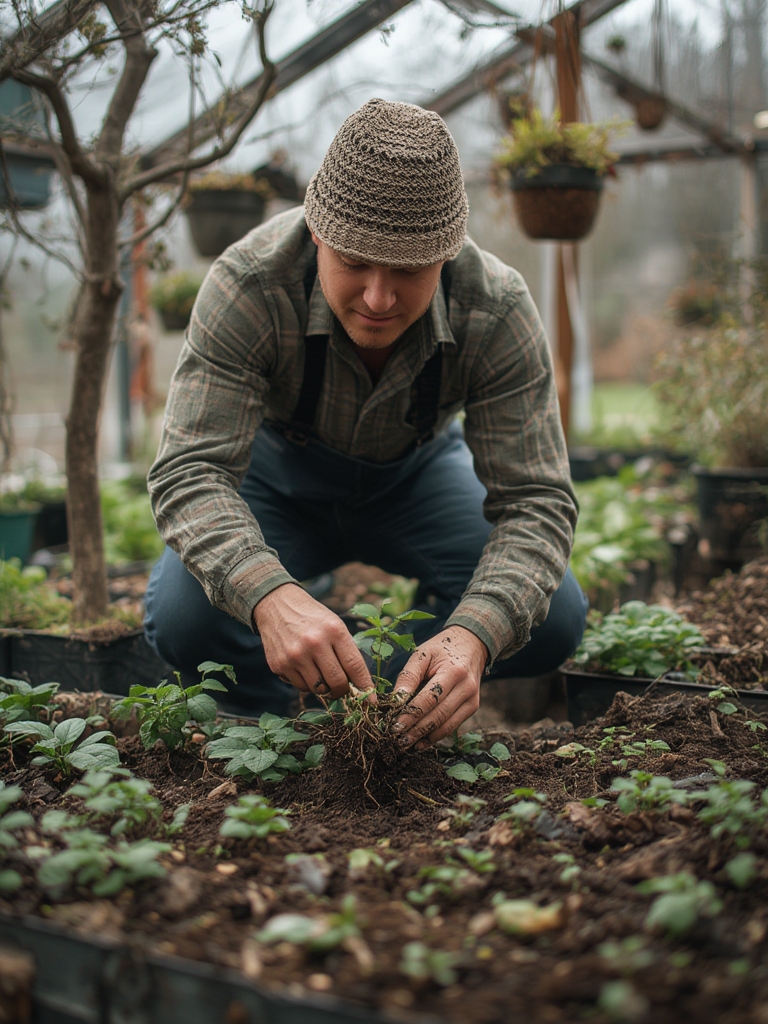
Step 1: Prepare Your Containers
Fill seed trays with moistened seed starting mix, leaving about ¼ inch from the top. Pre-moistening prevents seed displacement during initial watering.
Step 2: Plant Seeds at Proper Depth
Plant seeds 2-3 times as deep as their diameter. Tiny seeds like lettuce need only surface sowing with light pressing.
Step 3: Create a Humid Environment
Cover trays with clear domes or plastic wrap to maintain 70-80% humidity. This accelerates germination significantly.
Step 4: Provide Bottom Heat
Place trays on heating mats set to 70-75°F for optimal germination. Most seeds sprout faster with consistent bottom warmth.
Step 5: Position Under Light
Once seedlings emerge, remove covers and place under grow lights 2-3 inches above plants for 14-16 hours daily.
Step 6: Water Carefully
Water from the bottom or use a gentle spray to avoid disturbing delicate seedlings. Keep soil consistently moist but not waterlogged.
Step 7: Thin and Transplant
When seedlings have two sets of true leaves, thin to the strongest plant per cell or transplant into larger containers.
Nutritional Benefits / Advantages
Growing best plants for winter windowsills offers remarkable advantages beyond just spring preparation. Indoor seed starting allows you to:
- Access heirloom and specialty varieties not available as transplants
- Grow 100% organic produce from seed to harvest
- Save significant money compared to buying seedlings
- Enjoy fresh herbs and microgreens throughout winter
- Boost indoor air quality and mental wellness during dark months
- Teach children valuable skills about plant biology and patience
Nutritionally, home-grown tomatoes contain up to 30% more vitamin C than store-bought varieties, while fresh herbs provide concentrated antioxidants and flavor without preservatives.
Tips, Alternative Methods, or Gardening Advice
Container Variations:
Try using biodegradable peat pots or soil blocks that transplant directly into gardens, reducing transplant shock.
Space-Saving Solutions:
Install tiered shelving with clip-on grow lights to maximize vertical space in small apartments.
Climate Adaptations:
In mild climates, use cold frames or unheated greenhouses to harden off seedlings gradually. In northern regions, start seeds later and choose fast-maturing varieties.
Organic Approach:
Use organic seed starting mix, compost tea for fertilizing, and practice succession planting for continuous harvests.
Light Alternatives:
South-facing windows work for herbs and lettuce, but fruiting plants like tomatoes absolutely require supplemental lighting.
Common Mistakes to Avoid
Mistake 1: Starting Too Early
Oversized seedlings become leggy and stressed. Follow your region’s frost dates precisely.
Mistake 2: Insufficient Lighting
Weak, stretched seedlings indicate inadequate light. Keep lights close and increase duration to 16 hours.
Mistake 3: Overwatering
Soggy soil causes damping-off disease. Allow the top layer to dry slightly between waterings.
Mistake 4: Skipping Hardening Off
Directly transplanting indoor seedlings outdoors causes shock. Gradually expose plants to outdoor conditions over 7-10 days.
Mistake 5: Using Garden Soil
Heavy garden soil compacts in containers and harbors diseases. Always use sterile seed starting mix.
Storage / Maintenance Tips
Ongoing Seedling Care:
- Fertilize weekly with half-strength liquid fertilizer once true leaves appear
- Rotate trays daily for even growth under directional light
- Maintain 65-70°F daytime temperatures and 60-65°F at night
- Brush hands gently over seedlings daily to strengthen stems (mimics wind)
- Monitor for fungus gnats and address with sticky traps or soil top-dressing
Seed Storage:
Store unused seeds in airtight containers with silica gel packets in a cool, dark location. Most seeds remain viable for 2-5 years when properly stored.
Conclusion
Mastering starting seeds indoors transforms winter from a gardening downtime into your most productive preparation season. By following this month-by-month schedule and implementing these proven techniques, you’ll enjoy robust seedlings ready to thrive in your spring garden. The satisfaction of nurturing plants from tiny seeds to harvest-ready transplants is unmatched. Don’t let winter stop your gardening passion—start your seeds today and share your indoor gardening successes in the comments below! Explore our related posts on container gardening and season extension techniques to maximize your homegrown harvest.
FAQs
Q1: What vegetables can I start indoors during winter months?
Tomatoes, peppers, eggplants, broccoli, cabbage, kale, lettuce, and herbs like basil and parsley are excellent choices for winter indoor starting. Begin based on your last frost date.
Q2: Do I really need grow lights, or will a sunny window work?
While south-facing windows suffice for herbs and greens, fruiting vegetables like tomatoes and peppers require 14-16 hours of intense light that only grow lights can provide during short winter days.
Q3: How do I prevent leggy, weak seedlings?
Provide adequate lighting (keep lights 2-3 inches above plants), maintain proper temperatures, use a small fan for air circulation, and avoid starting seeds too early for your planting zone.
Q4: When exactly should I start tomato seeds indoors?
Start tomato seeds 6-8 weeks before your last expected frost date. For most regions, this falls between late January and early March depending on your USDA hardiness zone.
Q5: Can I use regular potting soil for starting seeds?
No, regular potting soil is too heavy and may contain fertilizers that harm delicate seedlings. Always use sterile, fine-textured seed starting mix specifically formulated for germination.