
Goodbye, Pests! 5 All-Natural & Organic Pest Control Solutions for Your Home Garden
Have you ever walked into your living room only to find your favorite houseplant covered in tiny bugs? Indoor plant pests can be frustrating, but the solution doesn’t have to involve harsh chemicals. Organic Pest Control for Indoor Plants offers a safe, effective way to protect your green companions while keeping your home environment healthy for your family and pets. These natural methods not only eliminate unwanted visitors but also promote stronger, more resilient plants. In this comprehensive guide, we’ll explore five proven organic solutions that will help you reclaim your indoor garden from common pests like aphids, spider mites, and fungus gnats.
Materials & Supplies
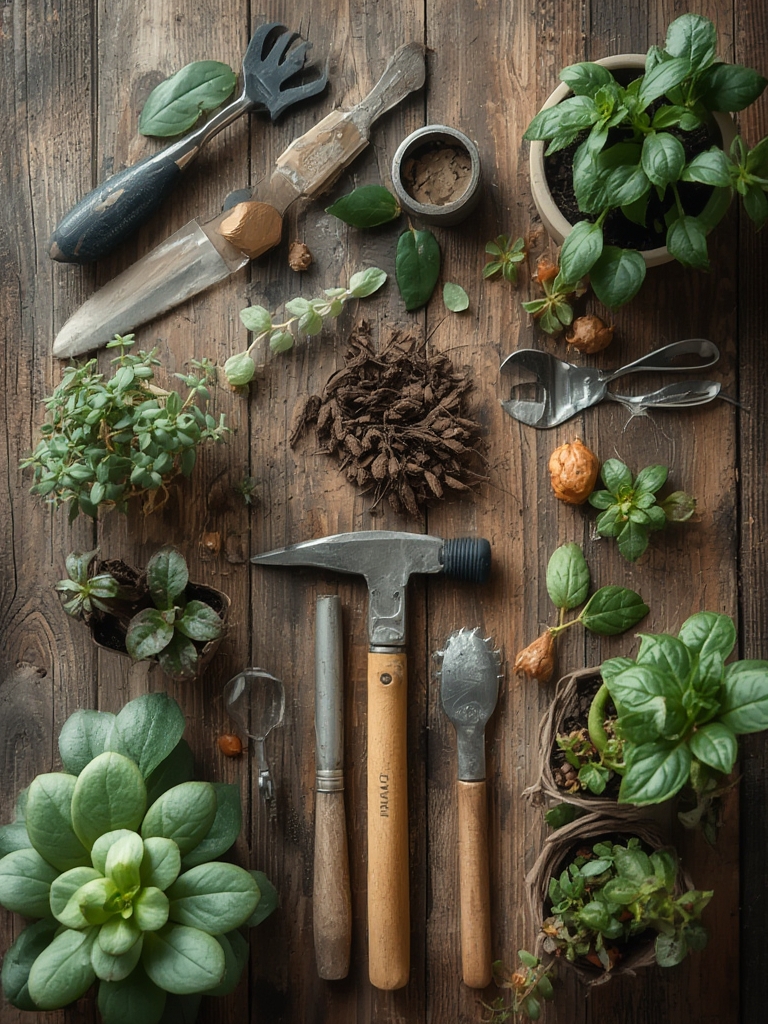
To implement effective organic pest control, gather these essential materials:
Primary Ingredients:
- Pure castile soap (unscented, liquid form)
- Cold-pressed neem oil (100% organic)
- Distilled or filtered water
- White vinegar or apple cider vinegar
- Food-grade diatomaceous earth
- Rubbing alcohol (70% isopropyl)
Tools and Equipment:
- Spray bottles (16-32 oz capacity)
- Measuring cups and spoons
- Small mixing bowl
- Cotton swabs or soft cloths
- Small brush for application
- Protective gloves (optional)
Optional Enhancers:
- Essential oils (peppermint, rosemary, or eucalyptus)
- Garlic cloves
- Cayenne pepper
- Dish soap (as alternative to castile soap)
Each item plays a specific role in creating powerful, plant-safe pest control solutions that target different types of indoor plant invaders.
Timing / Growing Schedule
Pest control isn’t about growing seasons—it’s about prevention and action. Inspect your indoor plants weekly for early signs of infestation, including discolored leaves, sticky residue, or visible insects. Apply preventative treatments every 2-3 weeks during peak pest seasons (spring and summer). If you notice an active infestation, begin treatment immediately and repeat applications every 5-7 days for three weeks to break the pest life cycle. Morning applications work best, giving plants time to dry before evening. Most solutions show results within 3-5 days, with complete eradication taking 2-4 weeks depending on infestation severity.
Step-by-Step Instructions
Solution 1: DIY insecticidal soap recipe
Mix 1 tablespoon of pure castile soap with 1 quart of water. Shake gently to combine. Spray directly on affected leaves, focusing on undersides where pests hide. Reapply every 5-7 days. This solution suffocates soft-bodied insects like aphids and whiteflies.
Solution 2: Neem oil for indoor plants
Combine 2 teaspoons of neem oil, 1 teaspoon of mild liquid soap, and 1 quart of warm water. Shake vigorously before each use. Apply as a thorough spray covering all plant surfaces. Neem disrupts insect reproduction and acts as a fungicide. Use every 7-14 days.
Solution 3: Alcohol Spray for Immediate Action
Mix 1 part rubbing alcohol with 3 parts water. Test on one leaf first, then spray infested areas. This works instantly on contact for mealybugs and scale insects. Apply weekly until pests disappear.
Solution 4: Diatomaceous Earth Barrier
Lightly dust the soil surface with food-grade diatomaceous earth. This creates a protective barrier that kills crawling insects like fungus gnats and ants by dehydrating them. Reapply after watering.
Solution 5: Vinegar Pest Deterrent
Mix 1 tablespoon of vinegar with 3 cups of water. Spray around (not directly on) plants to repel ants and other pests. The acidic scent deters new infestations without harming plants.
Nutritional Benefits / Advantages
Choosing organic pest control methods offers multiple advantages beyond just eliminating bugs. These natural solutions for houseplant pests maintain the air quality in your home by avoiding toxic chemical residues that can affect respiratory health. Organic methods support beneficial microorganisms in the soil that strengthen plant immunity. Your plants develop natural defenses when not dependent on synthetic chemicals, leading to healthier growth patterns and more vibrant foliage. Additionally, organic solutions are safe around children, pets, and food-producing plants, making them ideal for kitchen herb gardens and homes with curious family members.
Tips, Alternative Methods, or Gardening Advice
Container-Specific Strategies: For potted plants, create a quarantine area for new acquisitions. Isolate new plants for 2-3 weeks to prevent introducing pests to your collection.
Climate Considerations: In humid environments, increase air circulation with fans to prevent fungal issues that attract pests. In dry climates, ensure adequate watering as stressed plants attract more insects.
Companion Planting Indoors: Place strong-scented herbs like basil or lavender near susceptible plants to naturally repel pests.
Physical Barriers: Use sticky yellow traps for flying insects. Place copper tape around pot rims to deter slugs and snails.
Biological Control: Introduce beneficial insects like ladybugs for severe aphid infestations in sunrooms or conservatories.
Common Mistakes to Avoid
Over-application: Using too much soap or neem oil can burn leaves. Always follow dilution ratios precisely and test solutions on a small area first.
Ignoring Prevention: Waiting until heavy infestation occurs makes control harder. Regular inspections and preventative spraying save time and plants.
Spraying in Direct Sunlight: This causes leaf burn. Always apply treatments in morning or evening when plants aren’t in direct sun.
Neglecting Soil Treatment: Many pests live in soil. Address both foliage and soil for complete aphid control and prevention.
Using Old Solutions: Mixed organic sprays lose effectiveness after a few days. Prepare fresh batches for each application.
Inconsistent Treatment: Stopping after initial improvement allows pests to rebound. Complete the full treatment cycle even when pests seem gone.
Storage / Maintenance Tips
Solution Storage: Store prepared organic sprays in cool, dark locations for no more than one week. Label bottles with contents and date. Neem oil solutions should be used within 2-3 days for maximum effectiveness.
Plant Maintenance Post-Treatment: After pest elimination, continue monitoring plants weekly. Wipe leaves gently with damp cloths monthly to remove dust that attracts pests. Maintain proper watering schedules—overwatered and underwatered plants both attract insects.
Seasonal Care: Reduce treatment frequency in winter when pest activity decreases. Increase vigilance in spring when bringing outdoor plants inside.
Tool Cleaning: Wash spray bottles thoroughly between uses to prevent residue buildup. Clean mixing equipment with hot, soapy water after each batch.
Conclusion
Embracing organic pest control transforms your indoor gardening experience from frustrating to fulfilling. These five natural solutions provide effective, safe alternatives to chemical pesticides while promoting healthier plants and a cleaner home environment. By implementing regular inspections, preventative treatments, and quick action at first signs of trouble, you’ll maintain a thriving indoor garden free from destructive pests. Start with one method today, observe the results, and build your organic pest management routine. Share your success stories in the comments below, and explore our other guides on creating a naturally healthy indoor garden ecosystem!
FAQs
Q1: How quickly do organic pest control methods work compared to chemical pesticides?
Organic solutions typically show visible results within 3-5 days, while complete eradication takes 2-4 weeks. Chemical pesticides may work faster initially but don’t address pest eggs and can harm beneficial organisms, leading to recurring problems.
Q2: Can I use these organic solutions on all types of indoor plants?
Most houseplants tolerate organic treatments well, but always test on a small leaf area first. Sensitive plants like ferns and African violets may require more diluted solutions. Succulents generally need less frequent applications.
Q3: What should I do if organic methods aren’t controlling the infestation?
Increase application frequency to every 3-4 days, ensure you’re covering leaf undersides thoroughly, and consider combining methods. Severe infestations may require removing heavily affected leaves or isolating the plant to prevent spread.
Q4: Is neem oil safe to use on edible herb plants indoors?
Yes, food-grade neem oil is safe for edible plants. However, wash herbs thoroughly before consumption and wait at least 3 days after application before harvesting for best taste and safety.
Q5: How can I prevent pests from returning after successful treatment?
Maintain regular plant hygiene by wiping leaves, avoiding overwatering, ensuring proper drainage, providing adequate light, and continuing monthly preventative treatments. Quarantine new plants before introducing them to your collection.